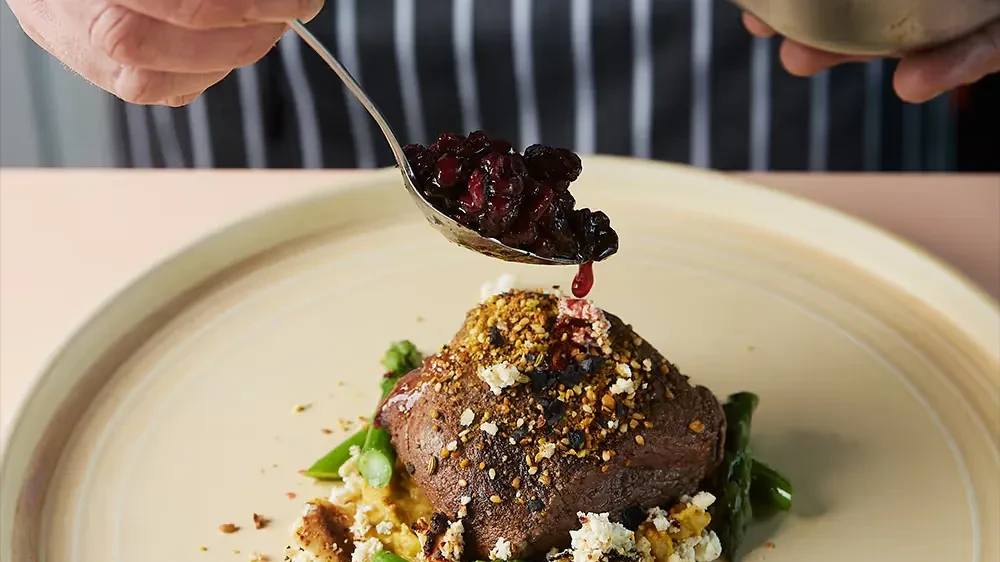
Timing is just as important as menu selection when planning wedding catering in Melbourne. The order and pacing of canapés, main courses, desserts and late-night food can shape the flow of the reception, influencing guest comfort, energy and the overall atmosphere. A well-structured catering timeline supports key moments such as speeches, dances and cake cutting while helping the evening feel relaxed and organised.
Essential Catering & Events explains how to plan each stage of food service so the reception feels smooth, balanced and memorable from start to finish.
Why Food Timing Matters at a Wedding Reception
Food timing shapes how guests experience the entire reception. When dishes are served at the right moments, the energy in the room feels natural, conversation flows easily and the couple can move through formalities without guests feeling rushed or hungry. Poor timing, on the other hand, can quickly lead to restless guests, cold meals, delayed service and a schedule that falls behind.
A well-planned catering timeline also protects the quality of the menu. Hot food needs to be served hot, cold dishes need to stay fresh and plated or buffet service must align with photography, speeches, dancing and other formalities. When timing is carefully planned, guests can enjoy each part of the evening without long waits, rushed meals or awkward gaps.
Guest Comfort and Energy
Hungry guests are distracted. If the ceremony started hours earlier with light snacks or no food at all, guests often arrive at the reception focused on when they will eat. Serving canapés soon after arrival, then moving to the main meal within a reasonable timeframe, keeps guests comfortable and attentive.
Timing also influences energy levels as the evening progresses. Serving a heavy meal too late can slow the room just when music and dancing are meant to begin. Serving too early with nothing substantial for several hours can leave guests tired and looking for food before the evening ends.
A thoughtful timeline usually includes:
- A first food offering within about 30 to 60 minutes of guest arrival
- A main meal soon after formal introductions and early speeches
- Late-night bites if the celebration continues well into the evening
Flow of Formalities and Logistics
Food service needs to be aligned with toasts, first dances, cake cutting and any cultural traditions. If speeches run too long before the meal, food quality may suffer while dishes wait to be served. If dinner service stretches too far into the night, there may be little time left for dancing and socialising.
Coordinating the schedule with the catering team helps avoid these problems. Servers need clear cues for when to pour champagne, clear plates and begin dessert service. DJs and planners also need to know when guests will be seated so speeches and dances can be placed between courses rather than interrupting them.
Proper timing helps prevent crowded buffets, long bar queues and confusion about where guests should be at each stage of the reception.
Food Quality and Service Experience
The kitchen works to precise timing. Overcooked proteins, wilted greens or melted desserts often occur when a schedule is delayed, rushed or unclear. Confirming the start time for each course allows chefs to prepare food at its best and gives staff time to deliver plates promptly.
Service style also affects timing. Plated dinners usually require more time because each course needs to be delivered and cleared. Buffets and food stations can move more quickly, but still need to be staged so guests are not all dismissed at once. Matching the menu and service style to the planned schedule helps protect the quality of the food and creates a smoother guest experience.
Arrival Drinks and Canapés
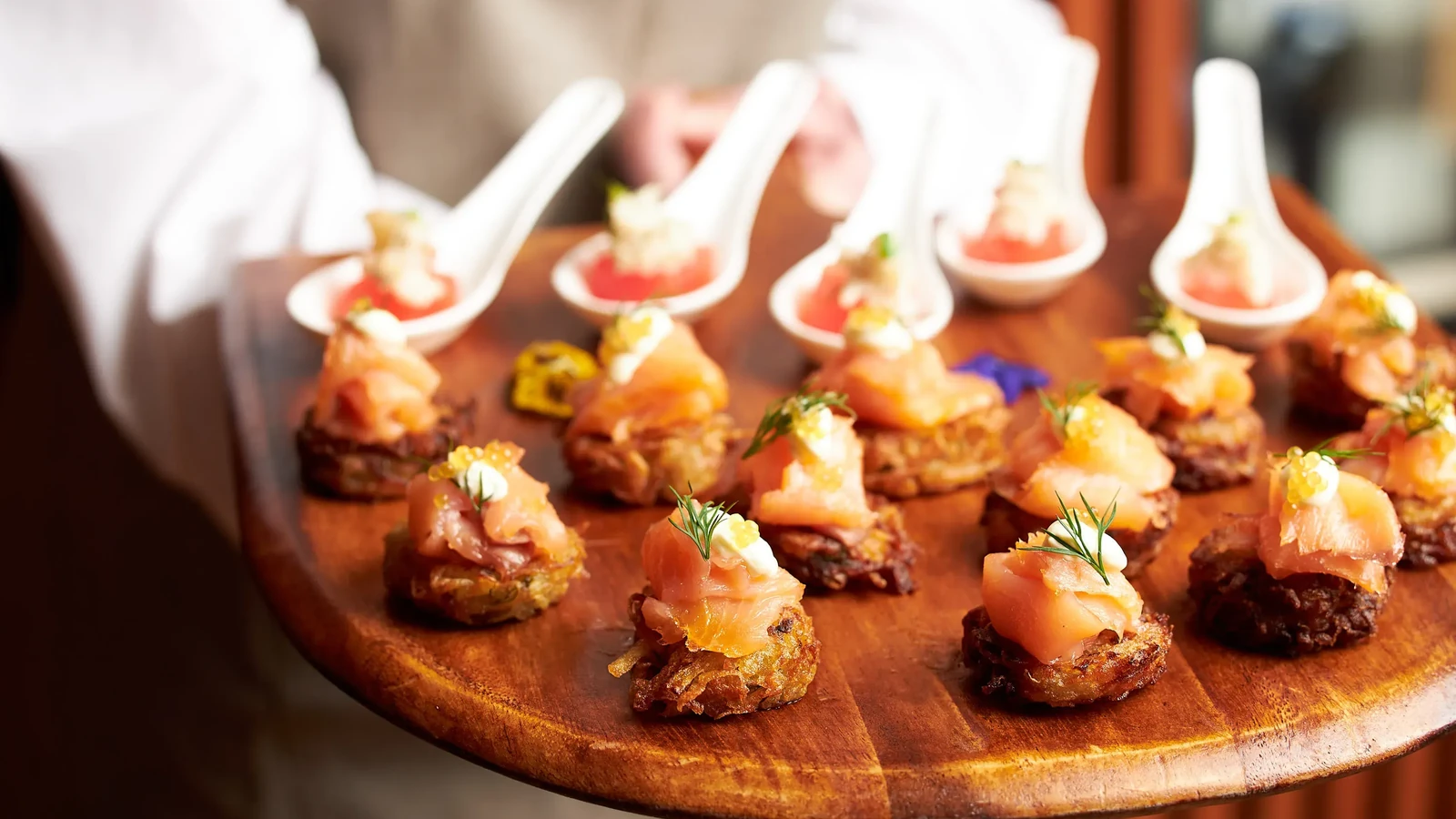
Arrival drinks and canapés set the tone for the reception and guide guests smoothly from ceremony to celebration. This first stage of food and drink service should feel seamless, generous and well timed so guests are comfortable without becoming too full before the main meal.
Good planning focuses on timing, quantities, staffing and guest flow. The goal is to make sure guests are welcomed quickly, have something to eat and drink soon after arrival and do not spend the first part of the reception waiting in queues.
When to Start Serving
Arrival service usually begins immediately after the ceremony or as guests reach the reception space. For on-site receptions where the ceremony and reception are held at the same venue, service can often begin within 5 to 10 minutes of the couple exiting the ceremony. For off-site receptions that require travel, the timing should account for transport, guest arrival and photography.
As a guide:
- Same venue or short travel time: 60 to 90 minutes of drinks and canapés
- Longer travel or extended photo sessions: up to 2 hours
Anything under 45 minutes can feel rushed, especially if guests need time to move between spaces. Anything over 2 hours can leave guests hungry and tired before the main meal. The arrival food and drink window should also align with the photography schedule so the couple can step away for photos while guests are occupied and well looked after.
What to Serve and How Much
Arrival drinks work best when they are simple, easy to serve and visually consistent. One or two signature cocktails, sparkling wine and a non-alcoholic option can cover most guests. Tray service at the entrance creates an immediate welcome and helps avoid queues at the bar. A staffed bar can then operate alongside tray service for refills and extra choices.
Canapés should begin circulating within 10 to 15 minutes of guests arriving at the reception. The selection should offer variety in flavour, texture and substance, including at least one vegetarian option and one non-gluten option that is clearly identified.
For a reception with a full seated meal, 4 to 6 canapé pieces per person is usually enough to satisfy guests without spoiling appetites. For receptions with a lighter main meal or a later dinner service, 6 to 8 pieces per person may be more suitable.
Service Flow and Guest Experience
Staffing levels directly affect the feel of arrival service. Trays should circulate throughout the room rather than cluster near the bar or entry, so all guests have equal access to food and drinks. No guest should be left waiting too long without being offered a drink top-up or canapé.
Dietary-specific canapés should also be handled carefully. Where possible, staff should discreetly guide suitable options to the right guests rather than expecting guests with dietary needs to search for them.
The style of reception also influences the format. For a relaxed cocktail-style wedding, more substantial canapés and grazing items early in the evening can prevent guests from drinking on an empty stomach. For a classic sit-down dinner, lighter bites help maintain appetite for the entrée and main course.
In both cases, music, drinks and canapés should work together to signal that the formalities of the ceremony are complete and the celebration has begun.
Timing the Main Meal Around Speeches and Formalities
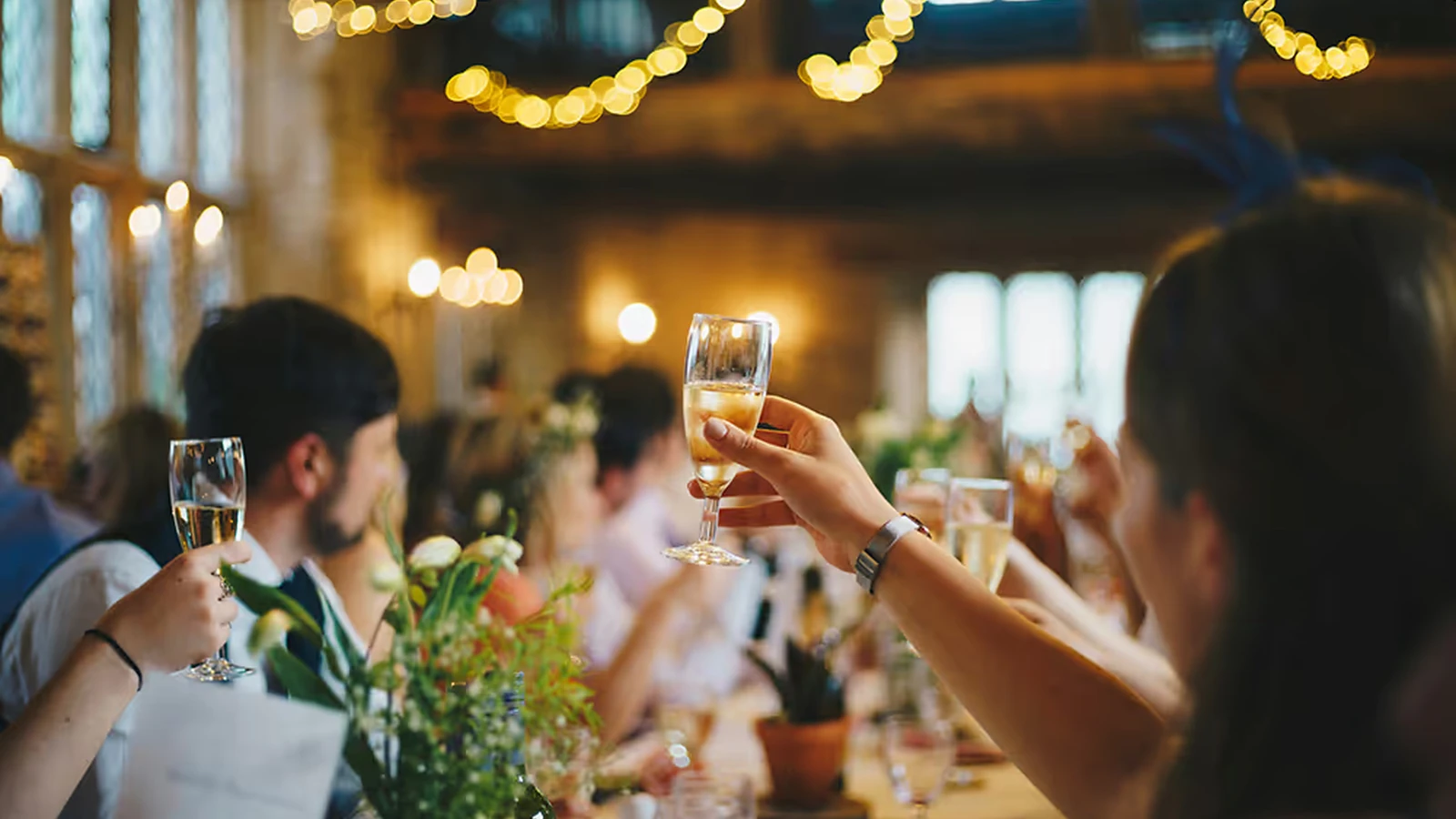
The main meal needs to be timed around speeches and formalities so guests are not sitting hungry or watching speeches while food goes cold. The goal is a smooth flow where guests understand what is happening next, service staff can work efficiently and key moments are not interrupted by meal service.
A clear plan agreed in advance with the caterer, venue and couple helps keep everything on track. The exact timing depends on the ceremony time, the meal style and how many speeches or special moments are scheduled.
Typical Sequences That Work Well
For a traditional seated reception with a plated or family-style meal, a common structure is:
- Guests are seated
- Entrée or first course is served
- One or two short speeches or welcome toasts take place during or just after entrée
- Main course is served
- Remaining speeches take place between main course and dessert
- Dessert or cake service begins
Speeches usually work best once guests have had something to eat, but before the room becomes overly full or distracted. Short welcome or thank-you toasts can happen while the first course is on the table, once most guests have had a chance to begin eating. Longer or more emotional speeches are often better between courses, when plates have been cleared and guests can focus properly on the speaker.
Avoiding Cold Food and Awkward Gaps
One of the biggest risks is allowing speeches to run long while hot food waits in the kitchen. Hot dishes have a limited holding time before quality drops, so the catering team needs clear cues for when speeches will start and finish.
Helpful strategies include:
- Avoiding long speeches immediately before hot mains are due to be served
- Asking speakers to keep to set time limits, usually around 3 to 5 minutes each
- Grouping speeches into one or two blocks instead of scattering them throughout the meal
- Allowing the caterer to adjust service timing if speeches run over
If speeches do overrun, the caterer may recommend a practical adjustment, such as delaying plating, changing the dessert format or slightly reworking the service order. This helps recover time without compromising food quality.
Integrating the First Dance, Cake Cutting and Other Moments
The main meal also needs to connect smoothly with other formalities, such as the first dance, cake cutting and parent dances. A practical flow may look like this:
- Main course is finished and plates are cleared
- Key speeches take place
- Cake cutting is used as a visual transition into dessert or coffee
- First dance opens the dance floor
- Dessert is served at tables or from a station while dancing begins
Placing the first dance after the main speeches but before or around dessert can help lift the energy of the room and move guests towards the dance floor. Late speeches are usually best avoided because they can interrupt dancing, slow bar service and pull guests away from the atmosphere that has already been created.
Dessert, Cake and Coffee Service
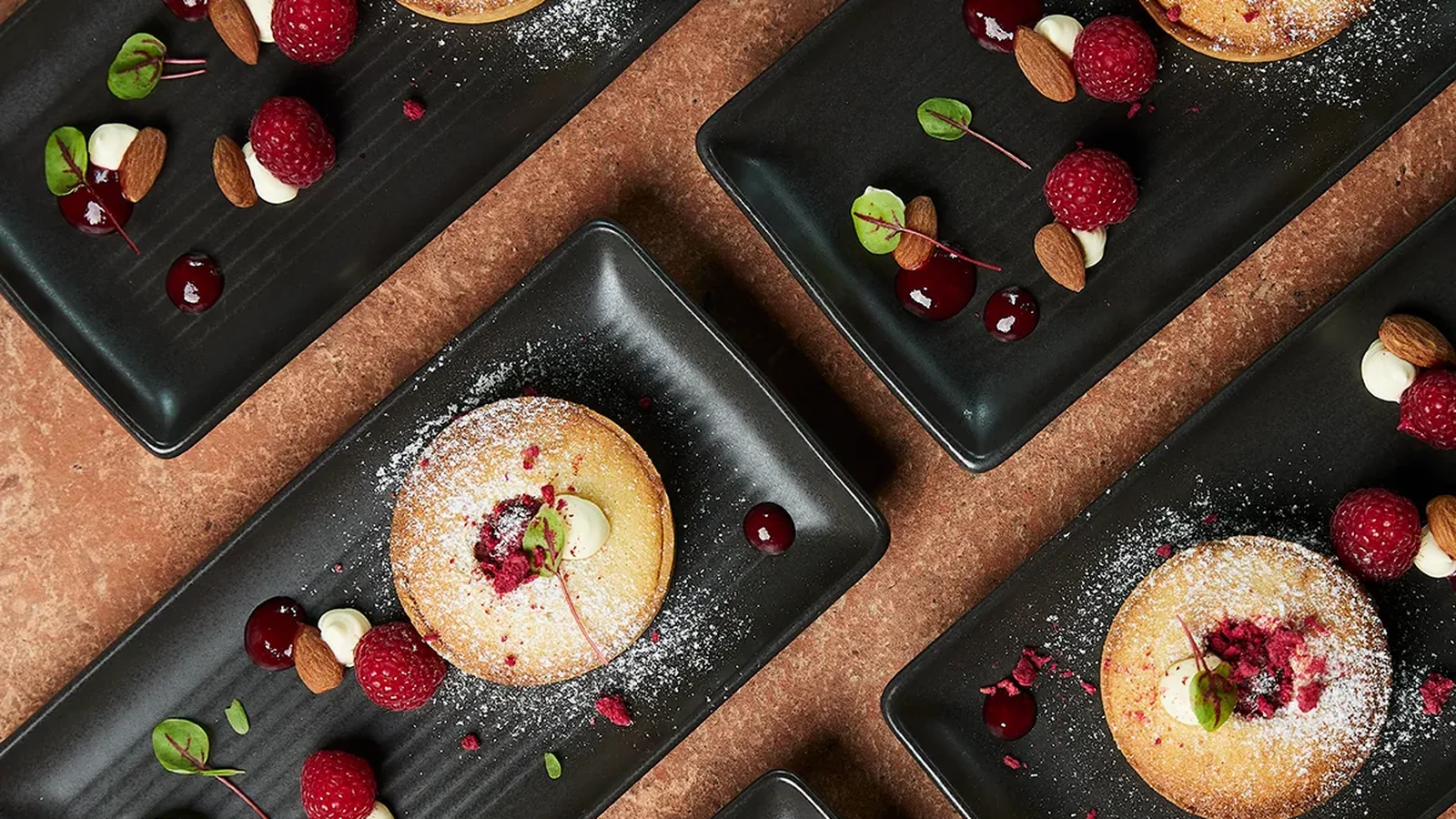
Dessert service signals the shift from the formal meal to the more relaxed and celebratory part of the reception. The key decisions involve when to cut and serve the wedding cake, how to coordinate plated or buffet desserts and when to introduce coffee and tea.
The timing should work around the dinner format, speeches and the desired flow into dancing. A clear plan helps prevent long gaps where guests are left waiting or staff are trying to catch up.
When to Cut and Serve the Cake
Most receptions schedule the cake cutting 30 to 60 minutes after dinner service finishes. This gives guests time to enjoy the meal, listen to any final toasts and refocus on the couple for the cake cutting moment.
Cake cutting can work well:
- Right before opening the dance floor
- Just after the first dance or parent dances
- After sunset photos, if the couple is stepping out briefly
Once the cake is cut in front of guests, the catering team usually takes it to a back area for slicing. For a medium-sized wedding, allow around 20 to 40 minutes for staff to cut and plate the cake. During this time, the DJ or band can start dancing, or guests can be invited to enjoy a dessert station so there is no lull.
Coordinating Dessert With Other Evening Events
For plated dessert service, dessert is usually brought out 15 to 20 minutes after the last dinner plates are cleared. If toasts are running long, dessert can be delayed slightly so guests are not juggling plates and glassware while speakers are talking.
Dessert stations or sweet tables can open:
- As coffee service begins
- Immediately after the cake cutting
- Around 30 minutes into dancing for a natural break
The key is to avoid bottlenecks. Dessert stations should be positioned away from the bar and dance floor entrance so lines do not interfere with other parts of the reception. For family-style or shared dessert platters, service should begin promptly after dinner to keep the meal moving and give older guests time to enjoy dessert before they consider leaving.
Timing Coffee and Late-Night Options
Coffee and tea service usually works best as dessert is served, not well before it. Serving coffee too early can lead to lukewarm drinks and unnecessary refills while guests wait for sweets.
For a seated dinner, coffee is often poured at the tables as dessert plates arrive. At more casual receptions, a self-serve coffee and tea station near the dessert display can work well, allowing guests to help themselves throughout the evening. Regular coffee, decaf, basic sweeteners and a dairy-free milk option should all be considered.
If a late-night snack is planned, it is usually best served 2 to 3 hours after dessert. The aim is to re-energise guests who are still dancing without overwhelming them immediately after sweets and coffee.
Evening Food for Longer Receptions
Evening food keeps guests comfortable and energised once the main meal has finished, especially when the celebration runs late into the night. A well-planned late-night offering can prevent hunger dips, support responsible drinking and extend the sense of hospitality well after the formal dinner service has ended.
The timing and style should reflect the length of the reception, the age mix of guests and how alcohol-focused the evening is likely to be. The aim is to provide satisfying, easy-to-eat options that complement the earlier menu rather than repeat it.
Choosing the Right Style of Evening Food
Evening food should be filling enough to feel worthwhile, but easy to eat while standing, mingling or moving between the bar and dance floor.
Popular options include:
- Handheld items such as sliders, gourmet hot dogs or wraps
- Street food-style stations such as tacos, pizzas or noodle boxes
- Comfort food such as fish and chips, loaded fries or mac and cheese cups
- Lighter options such as flatbreads, salad boxes or grilled skewers
Menu choices should contrast with the main meal. After a formal plated dinner, relaxed street food can feel fun and informal. After a substantial buffet, lighter late-night options may work better.
Dietary requirements still matter late in the evening. Vegetarian, vegan, gluten-free and halal options should be clearly considered so guests with specific requirements are not overlooked once the main service is over.
Managing Quantities and Service
Not every guest will eat again, so evening food does not usually need to cover the full headcount. A common guideline is to cater for around 60 to 80% of guests, depending on how heavy the main meal was and how late the reception is expected to run.
Service style should match the energy of the reception. For a lively dance floor, roaming trays passed by staff can work well because they keep guests moving and prevent queues. For larger venues, a combination of a central food station and roving service can help spread guests out and maintain the flow of the evening.
Coordination with the bar and DJ is also important. Announcing the arrival of evening food and slightly lowering the music for a few minutes can encourage guests to refuel without losing momentum on the dance floor.
Building a Smooth Wedding Catering Timeline
A smooth catering timeline keeps food at the right temperature, supports key formalities and helps the reception flow without awkward gaps. Rather than only deciding what time dinner will be served, an effective plan maps out the entire reception from guest arrival through to the final food service.
This includes when drinks begin, when the first canapé is offered, when guests are seated, when each course is served and when late-night snacks appear. With a clear plan, food service feels seamless rather than reactive.
Coordinate Food Service With Important Moments
Every major reception moment should be considered alongside a food or beverage phase. Speeches are easier when guests have already eaten or plates have just been cleared. Long toasts before dinner can lead to restless tables, while speeches during active food service can make the room noisy and distracted.
Useful timing pairings include:
- Cocktail hour with passed canapés or light stations so guests are not hungry before dinner
- Grand entrance followed soon after by a first course to settle guests at their tables
- Main course service completed before the longest speeches
- Cake cutting timed so dessert flows naturally into dancing
- Late-night snacks served after guests have had time to dance and socialise
A shared timeline allows the catering team, venue staff and DJ or band to coordinate their roles. This prevents situations where staff are trying to serve entrées while the first dance begins, or guests are being called to speeches just as food stations open.
Plan Service Pacing for the Guest Experience
The pacing between courses and events can have as much impact as the menu itself. Long gaps between cocktail hour and dinner, or between dinner and dessert, are when guests often begin to feel impatient or disengaged. At the same time, service should not feel rushed.
For most receptions, a balanced timeline might include:
- Cocktail hour running for around 45 to 60 minutes with steady access to food
- First course reaching the tables within 15 to 20 minutes of guests being seated
- A 10 to 20 minute gap between entrée and main course, depending on service style
- Dessert following within 20 to 30 minutes of main course plates being cleared
- Late-night snacks served 60 to 90 minutes before the reception ends
These timings can be adjusted depending on the venue, guest numbers, service style and number of formalities. The main goal is to make sure guests are never left waiting too long for the next stage, while still allowing enough breathing room for conversation, speeches and dancing.
A well-planned catering timeline does more than organise meal service. It sets the rhythm of the reception, guiding the guest experience from arrival drinks through to the final late-night bite. When each course is timed to complement speeches, dances, photos and socialising, the event feels more cohesive and relaxed.
By planning food service alongside the venue schedule, entertainment and formalities, couples can avoid rushed meals, long waits and unnecessary interruptions. The result is a wedding reception where the food supports the atmosphere of the evening rather than competing with it.