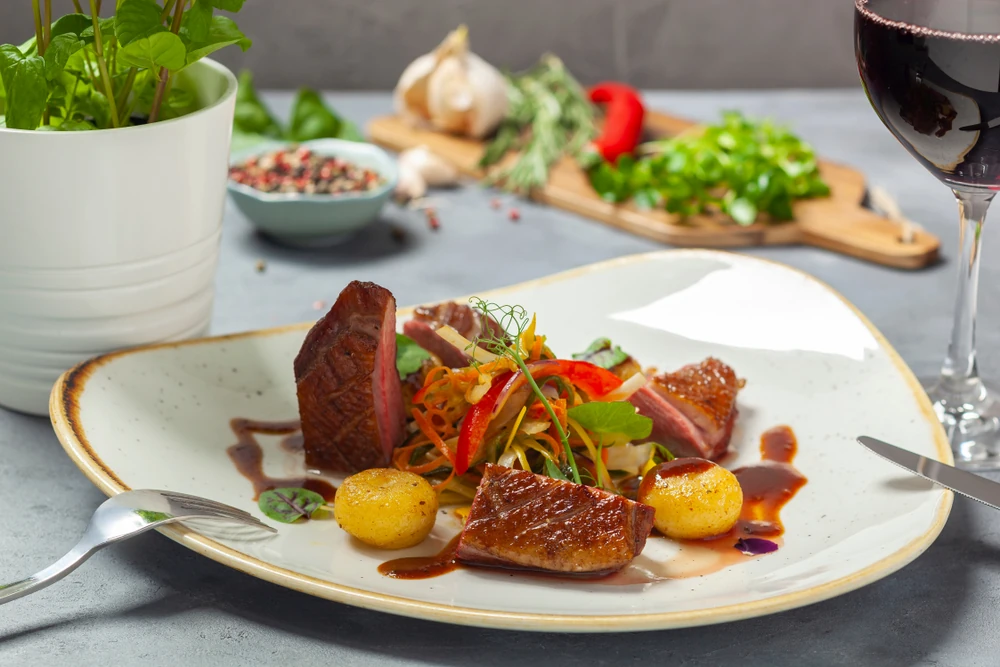
Thoughtful, seasonal menus are how Melbourne wedding caterers create food that feels fresher, more memorable and perfectly suited to the time of year. If you’re planning wedding catering in Melbourne and want your menu to reflect your style, your guests and the season you’re getting married in, this guide is for you. Seasonality matters because it influences flavour, quality and availability, but it also affects how the menu performs in real wedding conditions, from timing and service flow to how food holds up in Melbourne’s unpredictable weather. At Essential Catering & Events, we plan wedding menus every week, and we’ve seen how much smoother the day feels when the food is designed with the season, the venue and the guest experience in mind.
Understanding the Role of Seasonality in Melbourne Wedding Menus
Seasonality is one of the most important foundations of a well-designed wedding menu. While it might sound like a simple concept, it impacts nearly every detail of catering, including flavour, presentation, budgeting and the overall guest experience. In a food-focused city like Melbourne, seasonal menu planning is also a way to deliver a meal that feels intentional rather than generic.
Just as importantly, Melbourne weddings take place across a wide range of venues and weather conditions. From coastal locations to vineyards to inner-city rooftops, caterers need to design menus that match not only the season but also the practical realities of how the food will be prepared, transported, served and enjoyed.
Why Seasonal Produce Shapes Flavour, Quality and Availability
Seasonal produce is at its best because it is grown and harvested in the conditions it naturally thrives in. When ingredients are in season, caterers can confidently plan dishes around them because quality is more predictable and supply is more reliable.
Seasonal planning helps with:
- Flavour: produce tastes fresher, sweeter, richer and more balanced
- Texture: ingredients are less watery, soft, or overhandled
- Availability: suppliers can provide volume without compromising quality
- Consistency: the dishes taste the same across the whole guest list
- Value: ingredients can be more cost-effective when they are abundant
Seasonal menus are also easier to design creatively. Instead of forcing ingredients that are out of season, caterers can focus on combinations that naturally work and that guests already associate with the time of year.
How Melbourne’s Climate Influences Menu Planning
Melbourne weather has a real influence on what works on the plate. The city can swing between warm and cool quickly, even during summer and that affects everything from service speed to food temperature management.
A caterer needs to consider:
- Outdoor heat that can impact cold foods, seafood, dairy and desserts.
- Wind and rain that can disrupt outdoor canapé service.
- Sudden cold changes that make guests want warmer, more comforting options.
- Venue logistics, including kitchen access and power availability.
For example, a light canapé menu can work beautifully for a spring garden wedding, but it may fall short for a winter winery reception where guests need warmth and substance. Great seasonal menu planning is about designing for comfort and enjoyment, not just for visual appeal.
How Caterers Balance Personal Preferences with Practical Considerations
A wedding menu should always feel personal to the couple. However, it also needs to work for dozens or hundreds of guests, each with their own dietary needs, food preferences and expectations. The caterer’s role is to bring the couple’s vision to life while ensuring the experience feels effortless for everyone attending.
This section is where professional planning really shows. Thoughtful menus are not just about selecting dishes. They are about balancing emotion, culture, budget and practicality. That balance is what ensures the menu is both meaningful and smoothly executed.
Incorporating Cultural, Dietary and Guest Needs
Melbourne weddings are incredibly diverse, and menus often include cultural touches that matter deeply to couples and families. These may include traditional flavours, signature dishes, or menu styles inspired by heritage.
Caterers plan carefully around:
- Cultural or family food traditions
- Dietary requirements across the guest list
- Allergens and cross-contamination risks
- Kid-friendly considerations
- Preferences such as lighter, heavier, or spice-sensitive menus
Common dietary needs include:
- Vegetarian
- Vegan
- Gluten-free
- Dairy-free
- Nut-free
- Halal-friendly preferences
The best catering approach is to design the menu so dietary guests can enjoy most of what is served, rather than receiving a completely separate dish that feels like an afterthought. This makes the experience feel inclusive and elevated.
Managing Guest Numbers, Service Style and Timing
A menu for 60 guests can be delivered differently to a menu for 160 guests. Numbers affect staffing, kitchen workflow and service structure. A good caterer considers how to create consistency while still delivering a premium experience.
Practical planning often includes:
- Selecting dishes that scale without quality loss
- Ensuring service style suits the venue and schedule
- Building a timeline that keeps guests fed at the right moments
Service style also plays a big role:
Cocktail style
- needs enough food volume and pacing
- benefits from variety and roaming service
- often requires substantial additions like grazing or stations
Plated dining
- suits formal receptions
- relies heavily on kitchen timing and consistency
- works best when the run sheet is locked in
Shared feasting
- ideal for long-table celebrations
- feels relaxed, abundant and social
- requires smart platter structure and pacing
Timing matters as much as the food itself. If speeches, ceremonies, or photo sessions run long, guests can go hungry if the menu is not designed with buffers and flexibility.
Building Menus Around Local Produce and Trusted Suppliers
A seasonal wedding menu is only possible when caterers have strong supplier relationships. For weddings, ingredients cannot be “mostly available”. They need to be consistently available in high volume and high quality. That is why experienced caterers rely on trusted growers and suppliers when building a menu.
Local sourcing also contributes to a more Melbourne-style catering experience. When menus include Victorian ingredients, the food feels connected to place. It becomes more authentic, fresher and often more reliable.
Using Victorian and Regional Ingredients Where Possible
Victoria offers access to excellent produce and premium suppliers across many regions. This makes it easier to build seasonal menus that feel fresh and high quality, while reducing reliance on ingredients that travel long distances.
Local and regional sourcing helps with:
- Fresher produce and better flavour
- Reliable deliveries and consistent stock
- Reduced transport time and product handling
- Strong relationships that support volume orders
Menus are often influenced by what is abundant in each season:
- Summer: berries, herbs, tomatoes, stone fruit, seafood
- Autumn: pumpkins, mushrooms, figs, apples, slow-roast flavours
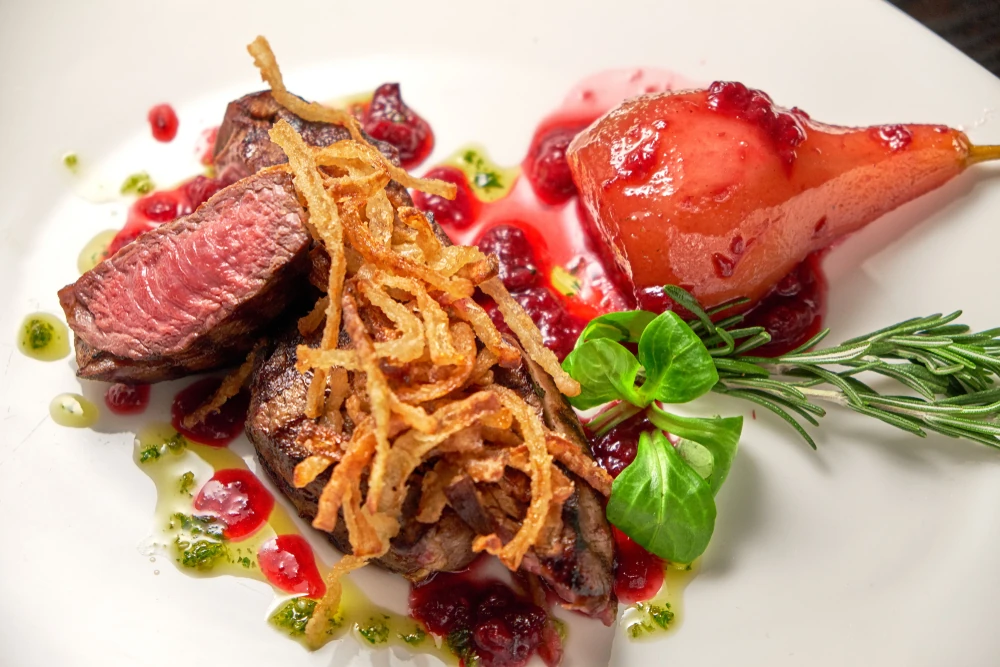
- Winter: root vegetables, hearty greens, rich sauces, braised meats
- Spring: peas, asparagus, citrous, light proteins, fresh greens
Using seasonal Victorian ingredients is one of the most natural ways to make the menu feel modern, premium and genuinely suited to the wedding date.
When Native Ingredients Are Used and Why They’re Kept Subtle
Australian native ingredients can add a beautiful point of difference, but they need to be used carefully. Weddings are large events with broad guest preferences, so strong flavours must be introduced with balance.
Native ingredients often used in subtle ways include:
- Finger lime
- Lemon myrtle
- Wattleseed
- Pepperberry
- Quandong
They are usually kept subtle because:
- Some guests may find native flavours unfamiliar.
- Strong native notes can dominate dishes quickly.
- Subtle usage feels refined rather than gimmicky.
Native ingredients work best as highlights, such as a light citrus finish in a canapé or a gentle aromatic note in a dessert. This approach allows the menu to feel distinctly Australian without alienating guests who prefer familiar flavours.
Designing Menus That Suit the Style and Flow of the Wedding Day
A wedding menu does not exist in isolation. It needs to match the vibe of the celebration, the pacing of the run sheet and the way guests are expected to move through the event. A well-designed menu supports the flow of the day so guests feel comfortable, energised and looked after from the first welcome drink to the final dance.
This section looks at how caterers align menu structure with wedding style. It is one of the most important parts of menu planning because even delicious food can feel underwhelming if it does not match the atmosphere or service flow.
Matching Food Choices to Formal, Relaxed or Long-Table Celebrations
Different wedding styles naturally suit different menu structures. Matching them correctly makes the event feel polished and intentional.
Formal weddings
- Plated courses
- Elegant presentation
- Structured timing and service
Relaxed weddings
- Cocktail menus with roaming canapés
- Grazing elements and stations
- Flexible pacing and guest movement
Long-table celebrations
- Shared platters and banquet-style courses
- Warm communal feel
- Ideal for vineyard and rustic venues
Caterers often guide couples by asking one key question: do you want the food to feel like a formal dining experience or a social celebration where guests graze and mingle? That answer shapes everything that follows.
How Menu Structure Affects Guest Experience
Menu structure influences how guests feel throughout the day. It affects satisfaction, mood and even energy on the dance floor.
A strong menu structure includes:
- Variety across flavours, textures and temperatures
- Pacing that prevents hunger gaps
- Enough substantial food, especially for cocktail events
- Menu balance so guests do not feel too full too early
For cocktail weddings, the most common issue is not having enough substantial food. Guests might enjoy canapés, but they still need something filling. That is why many caterers include grazing tables, stations, or late-night snacks for balance.
For plated weddings, the biggest risk is slow service. Timing and workflow become essential so every table receives meals efficiently and at a consistent temperature and presentation.
Refining and Finalising a Wedding Menu Before the Big Day
The final stages of menu planning are where detail becomes everything. Once the seasonal direction is set and the structure matches the wedding style, caterers focus on refinement. This includes tastings, adjustments, timeline planning and ensuring the entire catering team can deliver consistently on the day.
This section matters because weddings are high-pressure events. There are no second chances during service. Finalising properly means the couple can relax, and the caterer can execute smoothly.
Tastings, Adjustments and Seasonal Flexibility
Menu tastings are not just about taste. They are about ensuring the menu works as a complete experience.
A tasting typically helps confirm:
- Flavour balance across all courses
- Portion sizing
- Plating style and presentation
- Dietary alternatives
- Overall menu flow
Seasonal flexibility is important because supply can change based on weather or harvesting conditions. Strong caterers plan for this by offering substitutions that remain aligned with the season and menu style.
For example, if one ingredient becomes limited, the replacement should deliver a similar texture, colour and flavour impact. That way the menu still feels cohesive, and the couple’s vision remains intact.
Ensuring Consistency, Timing and Presentation on the Day
The wedding day is all about execution. Even the most beautifully planned menu can fall apart if timing, staffing, or presentation is inconsistent.
Behind the scenes, caterers coordinate:
- Staff roles and kitchen workflow
- Batching and temperature management
- Plating speed and consistent garnish
- Dietary meal identification and tracking
- Alignment with speeches and key timeline events
Consistency matters in a wedding setting because guests notice differences quickly. Every plate should look and taste the same, no matter when it is served. This includes dietary meals, which should feel just as premium and intentional as everything else.
When menu planning and execution are done well, guests experience the catering as seamless. They feel cared for, well-fed and part of something truly special.
A thoughtful seasonal wedding menu is not only about choosing dishes that taste great. It is about building a food experience that fits Melbourne’s seasons, supports the wedding timeline and makes every guest feel included. When the menu reflects the time of year and the style of the day, everything feels smoother, more refined and more memorable.
At Essential Catering & Events, we believe the most successful wedding menus are the ones that combine fresh seasonal produce, smart planning and flawless delivery, creating a celebration your guests will remember long after the last course is served.