
Timing can make or break the catering experience at any event. Whether it is a wedding reception, corporate function, milestone birthday or intimate celebration, knowing how far in advance to book catering in Melbourne affects menu availability, service quality, guest experience and overall cost. Essential Catering & Events sees the difference early planning makes. It secures preferred dates and gives more room for tastings, dietary planning and smooth logistics. Leaving catering too late often limits choice and adds pressure for organisers.
This guide explains realistic booking timeframes for different event types and sizes, how seasonal demand affects availability, and why lead time matters for everything from menu design to staffing and supplier orders. You will also learn what can happen when catering is booked late, plus practical steps to lock in your caterer early so the event runs smoothly and feels polished on the day.
Why Catering Booking Timelines Vary by Event Type
How early you should book catering depends on the type of event being planned. Guest numbers, menu style, formality and how flexible the schedule can be all shape the lead time required. When organisers understand what drives those differences, it becomes easier to plan confidently and avoid rushed decisions that limit menu options or service quality.
Caterers usually tailor advice based on how much coordination the event requires. Events with fixed dates, higher expectations and more moving parts need longer lead times because there is more work behind the scenes. Smaller and more flexible events can often be confirmed faster because staffing, supplier orders and logistics are simpler.
Weddings and Milestone Celebrations
Weddings, engagements and major birthdays often require the most planning because there is less room to compromise on timing and guest experience. Menus tend to be more detailed, service is more structured, and there are usually more suppliers involved. Tastings, dietary planning, floorplans and run sheets all need time to come together properly.
These events also tend to fall on high-demand dates, which limits availability. The earlier catering is secured, the more freedom there is to shape the menu and service style around the venue, season and the overall feel of the celebration.
Corporate Events and Conferences
Corporate catering can range from straightforward working lunches through to conferences, awards nights and large end-of-year events. Lead times vary because corporate schedules can be more changeable, but the complexity can increase quickly when the event has presentations, strict time windows, branded elements or multiple service points.
The more structured the run sheet and the larger the guest list, the more important it becomes to allow time for coordination with venues, access requirements and AV schedules. Dietary management can also become more demanding at scale, especially when staff or delegates have varied needs.
Private Gatherings and Casual Events
Smaller at-home events and casual celebrations often offer more flexibility because guest numbers are lower and service formats are simpler. Even so, lead times can stretch if the host wants a specific Saturday date, a particular cuisine, or styled catering such as grazing tables or dessert stations.
Booking earlier also allows more time to confirm quantities, plan dietary options and organise any hire items or on-site setup needs, especially where the space is tight or the venue is not designed for catering.
Recommended Booking Timeframes for Weddings, Corporate and Private Events
When planning any event, timing is one of the most important decisions to get right. Catering calendars fill quickly, and the ideal lead time depends on the type of event, guest numbers, service style and whether the date falls in a busy period such as spring, summer or November and December. The timeframes below give practical guidance on when to book, and what tends to change when lead time is shorter.
Weddings
Weddings usually require the longest lead time because they involve detailed menu planning, staffing, equipment coordination and venue run sheets. For most couples, booking catering 9 to 12 months in advance is a smart target, especially for Saturday weddings between September and April.
For weekday weddings or winter dates, a 6 to 9 month lead time is often workable, particularly if the venue is straightforward and the menu format is not overly complex. Booking early gives couples time to:
- Secure their preferred date and service style, such as cocktail, shared platters or seated dining
- Schedule a menu tasting and refine selections
- Confirm dietary needs and timing with the venue and other suppliers
It can still be possible to organise wedding catering 3 to 6 months out, especially for off-peak dates, but couples should expect less flexibility in menus, staffing and premium time slots.
Corporate Events
Corporate booking windows vary depending on whether the event is routine or high profile. For boardroom catering, training days and working lunches, booking 2 to 4 weeks ahead is often sufficient when the menu is straightforward and the date is midweek.
For larger corporate events such as conferences, product launches, awards nights or end-of-year functions, booking 2 to 3 months in advance is a safer timeframe. This allows time to plan:
- Service flow around speeches, presentations and breaks
- Menu structure that suits the run sheet and venue access
- Dietary management for larger guest lists and multiple service points
For November and December events, demand spikes across Melbourne. Clients planning Christmas parties or year-end celebrations should aim for 3 to 6 months notice to secure preferred dates and times.
Private Parties and Social Events
Private events range from casual at-home gatherings to formal milestone celebrations. For smaller social events, booking 3 to 4 weeks ahead may be enough, especially if the date is flexible or midweek.
For milestone birthdays, engagement parties and anniversaries with larger guest lists or styled catering, 6 to 8 weeks is a better target. This provides time to finalise menus, confirm hire items if needed and roster the right service team.
Last-minute private bookings can sometimes be accommodated in quieter months or on weekdays, but the best outcomes usually come when hosts stay flexible on menu format and delivery or service times.
What Factors Can Extend or Shorten Lead Times
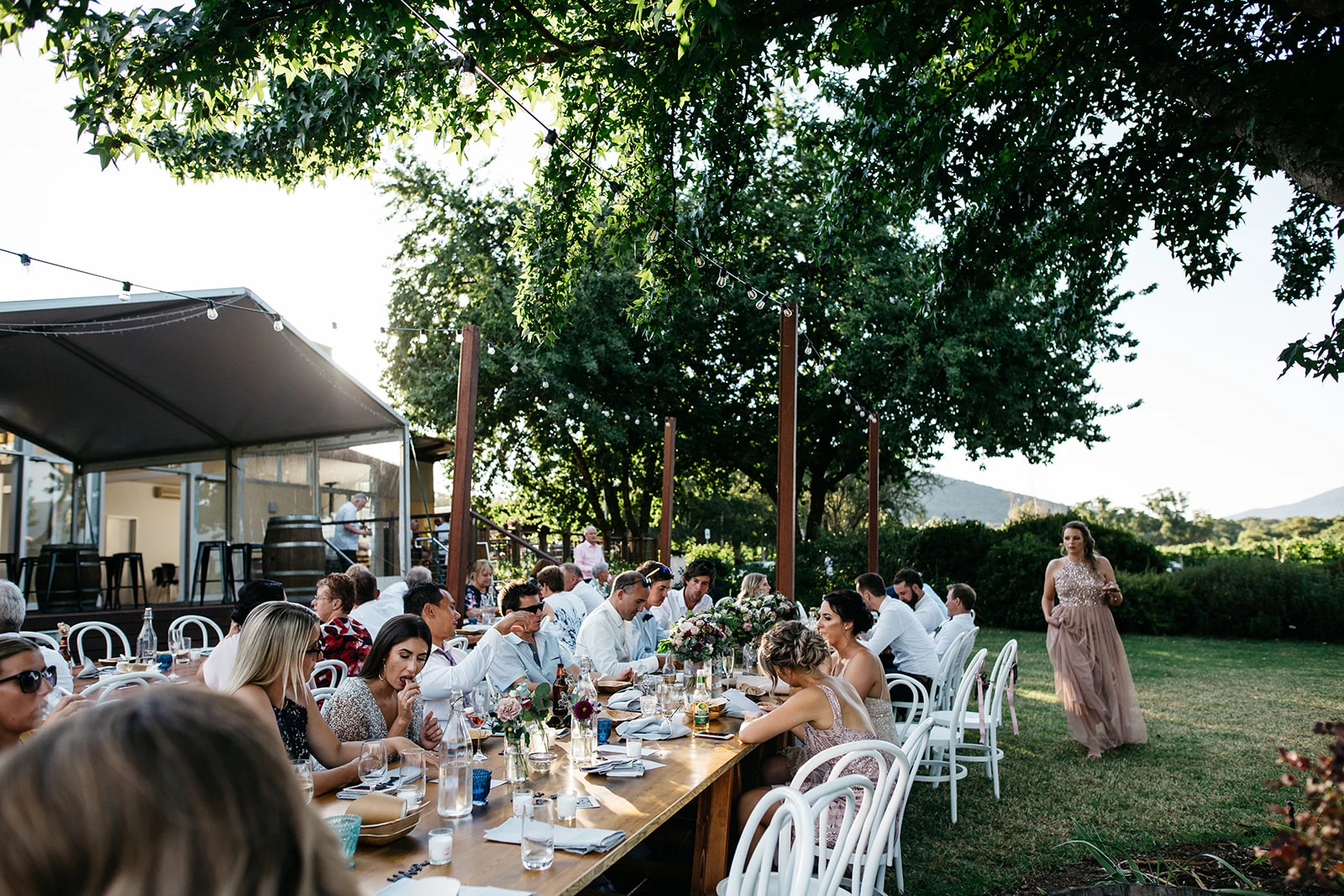
Lead times are not one size fits all. Two events on the same date can require very different booking windows depending on guest numbers, menu style, venue setup and how flexible the host can be. Understanding what drives lead time helps organisers know when they need to lock things in early, and when a shorter turnaround is still realistic.
Event Size, Date and Season
Guest numbers and the date on the calendar are two of the biggest factors. Larger events need more staff, more product ordering and often more equipment, which increases the planning window. Peak dates also fill quickly, particularly Saturdays in spring and summer, long weekends and the November to December period when corporate and social events stack up across Melbourne.
If an event falls in a quieter month or is scheduled Monday to Thursday, there is often more flexibility. Midweek events typically have better availability across kitchen teams, delivery schedules and service staff rosters, which can shorten the lead time without sacrificing quality.
Menu Complexity, Service Style and Special Requirements
The more customised the catering, the more lead time is usually required. Bespoke menus, interactive stations, or multi-course plated dining involve more planning and tighter execution. They require clearer timing, more staffing and more detailed ordering. Choosing from an established menu range with minimal changes is often faster to confirm.
Service style also matters. Drop-off catering, buffets and shared platters generally involve fewer moving parts than plated service, which requires more chefs, more front-of-house staff and stricter timing. Dietary requirements can also extend lead time when the guest list includes a high volume of special diets, strict religious requirements, or severe allergies that need careful sourcing and cross-contamination controls.
Venue Logistics and Supplier Availability
Venue conditions can quickly extend the timeline. Off-site catering at unfamiliar locations usually needs more planning than venues catered at regularly. Limited kitchen facilities, restricted access times, parking constraints, loading dock rules and power availability all affect what is possible and how much equipment needs to be brought in.
Hire items and supplier availability also play a role. If the event requires specific glassware, bars, furniture, styling elements or specialty ingredients, these often need to be reserved early. Flexibility can shorten lead times, especially when the host is open to alternate serving times, slight menu adjustments, or a simpler service format that fits the caterer’s existing schedule.
What Happens If You Leave Catering Too Late
Leaving catering to the last minute can seriously reduce your options and increase stress in the lead-up to the event. It does not always mean catering cannot be arranged, but it often means working with what is available rather than what best suits the occasion. The most common trade-offs show up in availability, menu flexibility, logistics and how smoothly service runs on the day.
Limited Availability and Fewer Choices
The first issue is often that preferred caterers are already booked, especially for Saturdays, public holidays and peak periods in Melbourne. Even when a team can accommodate the date, the best time slots may already be allocated, which can affect setup time, serving windows and staffing levels.
Late bookings also tend to narrow menu options. Some ingredients and specialty items need advance ordering, and some service styles depend on having enough chefs and front-of-house staff available. When time is tight, organisers may need to compromise on:
- Menu range and customisation
- Grazing table scale or styling detail
- Service format, such as switching from plated to shared or buffet
- The number of dietary variations that can be safely managed
Higher Costs and Logistical Stress
When lead time is short, suppliers may need to place express orders, rearrange rosters or shift production schedules. This can increase costs, particularly when staffing or logistics need to be adjusted at short notice. It can also limit the ability to secure hire items, since popular equipment and glassware are often booked out well ahead of time.
From the host’s perspective, catering influences many other decisions. If catering is confirmed late, it becomes harder to finalise layouts, hire items and run sheets because these depend on the service style and timing. This is where stress often builds, as multiple suppliers may need last-minute updates.
Increased Service Risk on the Day
Compressed planning reduces the time available for site checks, detailed run-throughs and contingency planning. That is when small issues become bigger problems, such as unclear access times, tight bump-in windows, insufficient bench space or a serving area that does not match the planned flow.
Late bookings also reduce the chance to add thoughtful finishing touches. Personalised menus, themed stations, paired beverages and styling details usually require lead time to coordinate properly. When everything is booked late, the priority becomes getting the essentials right, rather than refining the guest experience.
Practical Steps to Lock in Your Caterer Early
Securing a caterer early is much easier when the first enquiry includes the details needed to check availability and quote accurately. A clear starting point reduces back-and-forth, helps compare options properly and makes it faster to confirm the booking.
Clarify the Key Event Details First
Before reaching out, have the basics ready. Even if some details are still being finalised, a realistic range is enough to start the conversation and hold a date. Prepare:
- Event date and start time
- Estimated guest numbers, including adults and children
- Venue name and address, or at least the suburb
- Preferred catering style, such as cocktail, shared platters, buffet or seated dining
- Any must-know dietary requirements, especially severe allergies or strict restrictions
If you are unsure of final numbers, provide a minimum and maximum estimate. This helps caterers recommend a format and give pricing that is less likely to change dramatically later.
Make Initial Enquiries and Request Detailed Quotes
Shortlist a few caterers and contact them on the same day where possible, particularly if the date is in a busy period. In your first message, include the date, guest estimate and venue, then ask for a written quote that clearly shows:
- Menu options and what is included
- Service duration and staffing, if applicable
- Delivery, setup and pack-down details
- Any additional costs, such as travel, hire equipment or staffing upgrades
Written quotes make it easier to compare inclusions rather than relying on rough figures that can hide extra charges.
Decide Quickly and Pay the Deposit
Caterers often only hold dates temporarily until paperwork and payment are received. To lock things in without delay:
- Review the booking terms, including cancellation conditions and payment schedule
- Confirm what is included, such as staff, serving equipment and cleanup
- Ask when final numbers, dietary confirmations and menu selections are due
Once you are comfortable, sign the agreement and pay the deposit promptly, then request written confirmation that the date is secured. After the booking is confirmed, menu and styling refinements can usually be made closer to the event within agreed timelines.
Getting the timing right on your catering booking is one of the simplest ways to protect an event from stress, compromises and avoidable costs. The best lead time depends on the type of event, guest numbers, season and how customised the menu and service style need to be. In general, earlier bookings provide more choice and a smoother planning process, particularly for peak dates and larger events.
A practical approach is to work backwards from the event date. Lock in the venue, confirm a realistic guest number range, then secure your caterer within the recommended timeframes. Once catering is confirmed, it becomes much easier to finalise the run sheet, plan the layout, manage dietary requirements and ensure service feels seamless on the day.