Warm weather can create a beautiful setting for a wedding, particularly when the celebration takes place in a garden, courtyard, vineyard or other outdoor venue. However, higher temperatures also make thoughtful menu planning and well-organised service especially important. Food needs to remain fresh, visually appealing and enjoyable while being prepared, transported and served safely.
When planning wedding catering in Melbourne, the menu should suit the season, the venue and the way guests will experience the day. A cocktail-style reception requires food that can circulate smoothly while guests mingle. A plated menu needs to reach the table promptly and work around speeches and other formalities. Shared platters should feel generous and relaxed without sitting untouched for too long.
At Essential Catering & Events, we consider these practical details alongside flavour, presentation and guest comfort. The right warm-weather menu is not simply a collection of light dishes. It is a menu designed to perform well throughout the event, supported by a service plan that keeps food flowing at the right pace.
Why Does Warm Weather Affect Wedding Menu Planning?
Temperature can influence the appearance, texture and safety of food. Delicate garnishes may wilt, chocolate desserts can soften and cream-based dishes may lose their structure. Meat, seafood, dairy products and other temperature-sensitive foods also need careful handling from preparation through to service.
This does not mean these ingredients need to be excluded from a summer wedding menu. Many can still work beautifully when they are prepared appropriately, kept at safe temperatures and served promptly. The key is to avoid leaving large quantities of food exposed for extended periods.
Warm-weather planning also needs to account for guest comfort. On a hot afternoon, people often appreciate dishes that feel fresh and balanced rather than overly rich or heavy. As temperatures ease later in the evening, more substantial items can be introduced without making the menu feel excessive.
Choose a Catering Style That Suits the Venue and Weather
The most appropriate menu depends partly on the type of reception. A formal indoor dinner at a venue with a fully equipped kitchen creates different opportunities from a cocktail-style celebration at a private property or an outdoor reception with limited infrastructure.
Before finalising the food, it is important to consider kitchen access, refrigeration, preparation areas, service pathways and the distance between the cooking area and guests. These details affect which dishes can be served at their best and how the catering timeline should be structured.
Cocktail-Style Wedding Catering
Cocktail wedding packages work well for relaxed receptions where guests are encouraged to mingle rather than remain seated for a formal meal. At Essential Catering & Events, our cocktail packages include a selection of cold, hot and dessert canapés, with food served progressively throughout the reception. Substantial menu items can also be added to create a more filling meal.
This format suits warm weather because smaller batches of food can be circulated regularly rather than placed on tables all at once. Guests receive freshly served items throughout the event, while the menu can move naturally from lighter bites into more substantial options.
Suitable selections from our finger food menu include roasted prawn with compressed watermelon, za’atar and orange gel, prosciutto-wrapped chicken roulade with pepperonata and yakitori chicken skewers with ponzu dressing. Hot options such as chilli garlic prawns, lamb polpette and Thai vegetable spring rolls also work well when served directly to guests.
For a more substantial offering later in the reception, options such as baked Tasmanian salmon with soba noodles, green beans and Thai dressing, prawns with chorizo and kipfler potatoes or falafel with quinoa, radish, edamame and chilli citrus dressing provide a satisfying addition without requiring a formal sit-down meal.
Plated Dining
A plated menu offers a more formal dining experience and can be a suitable choice for warm-weather weddings when the courses are carefully timed. Food is prepared for service and brought directly to guests, limiting the time it spends on display.
Seasonal spring and summer dishes are particularly well suited to this style of dining. Entrées such as za’atar prawn with compressed watermelon, Bulgarian feta and orange gel or scallop ceviche with tomato, avocado, lime and chilli feel fresh and considered. Plant-based options such as the reimagined Greek salad with cucumber, cherry tomatoes, olives, vegan feta and falafel can also bring colour and texture to the table.
For the main course, dishes such as southern spiced salmon with quinoa, black beans, charred corn and avocado purée or Balinese pork belly with grilled peach, cucumber and nuoc cham offer bold flavours without relying on overly heavy accompaniments. A roasted capsicum, tomato and zucchini tatin with grilled pumpkin and salsa verde provides a well-balanced vegan alternative.
The success of plated dining depends on timing. Speeches, entrances and other formalities should be coordinated with the catering schedule so food is not waiting while guests are focused elsewhere.
Shared Feasting Platters
Shared platters create an inviting dining experience where guests can relax, talk and enjoy a selection of dishes together at the table. This format can suit warm-weather weddings particularly well because it combines a generous presentation with a structured service period.
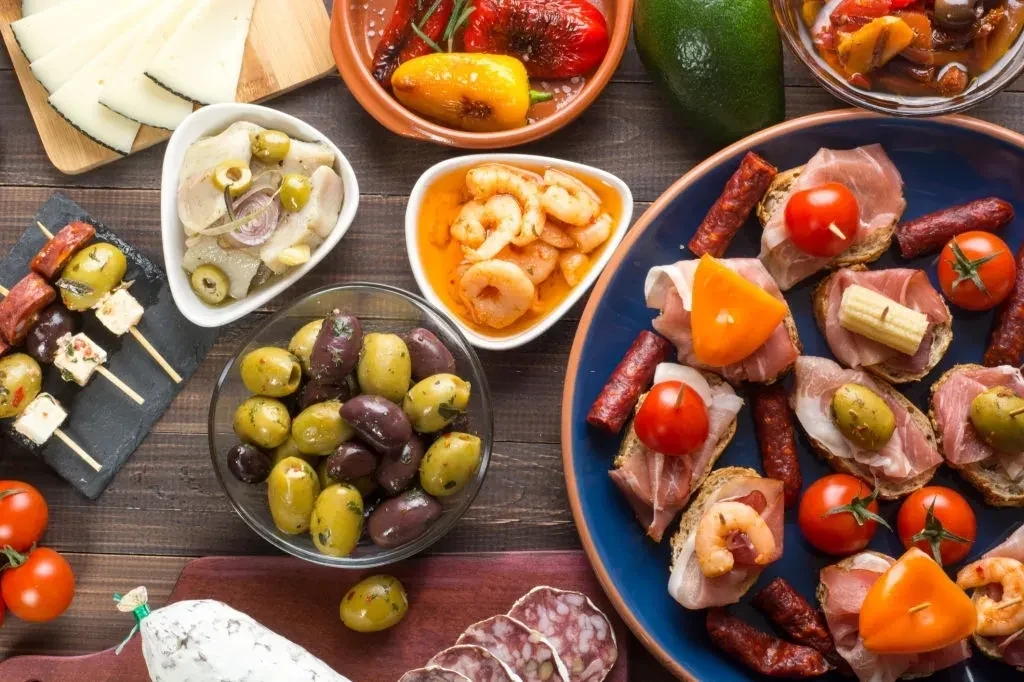
Our feasting menu includes tapas-style entrées such as Essential hummus with za’atar and Turkish bread, chilli garlic prawns with rocket and lemon and prosciutto-wrapped asparagus with cherry tomato salsa. These can be followed by shared mains such as salmon fillet with fennel and citrus dressing, grilled chicken thigh with crisp prosciutto and sage, chermoula lamb shoulder with pomegranate and sumac-spiced salad or a vegetable tagine with preserved lemon and mint.
The table receives a varied selection without guests needing to queue at a buffet. Platter service also encourages interaction, which makes it a natural fit for relaxed receptions and celebrations where food is intended to be part of the atmosphere.
Select Foods That Feel Fresh and Satisfying
A warm-weather menu should feel appropriate for the conditions without leaving guests hungry. The aim is not to make every dish extremely light. Instead, the menu should balance fresh flavours, satisfying portions and varied textures.
Begin With Fresh Canapés
Canapés are often the first food guests receive after the ceremony, so they play an important role in setting the tone for the reception. They should be easy to eat, visually appealing and served at a steady pace.
Fresh seafood, vegetables and lighter flavour combinations work particularly well early in the event. Roasted prawn with compressed watermelon and orange gel offers a refreshing combination of sweet, savoury and citrus flavours. Kingfish ceviche with rice puff, yuzu and tomato is another option that feels suited to warmer conditions when served promptly.
A varied menu should also include vegetarian and vegan selections. Tomato, onion and basil cornetto with balsamic pearls, sweet potato croquettes with hummus and Thai vegetable spring rolls with coriander, lime and sweet chilli can add contrast without feeling like an afterthought.
Introduce More Substantial Options Gradually
Guests may arrive ready to eat, particularly if the ceremony began earlier in the afternoon. A cocktail menu should provide enough substance to keep them comfortable throughout the reception.
More filling items can be introduced as the celebration progresses. Pulled barbecue beef sliders, katsu chicken burgers, steamed pork belly bao and vegan burger patties provide a satisfying contrast to smaller canapés. These options are easy to eat while standing and allow the service to remain relaxed and social.
For a seated reception, mains such as lamb rump, salmon, chicken or pork belly can provide a substantial centrepiece while seasonal vegetables, grains and fresh accompaniments maintain balance.
Use Seasonal Ingredients Thoughtfully
Seasonal menu planning is especially valuable during warmer months. Produce that naturally suits the season can bring colour, texture and freshness to the plate.
Ingredients such as watermelon, citrus, cucumber, tomatoes, avocado, grilled peach, fresh herbs and seasonal vegetables appear throughout our spring and summer menus. These ingredients work well because they contribute flavour and visual appeal without making the meal feel overly heavy.
A seasonal menu also feels more connected to the time and setting of the celebration. Instead of forcing a traditional format onto a warm-weather wedding, the food can reflect the conditions guests are actually experiencing.
Plan Desserts Carefully for Warm Conditions
Dessert is an important part of the reception, but some sweets require more careful planning in warm weather. Chocolate, mascarpone, panna cotta, custard and other delicate components can still be served successfully when they are kept at suitable temperatures and brought out at the appropriate time.
Rather than displaying sensitive desserts for long periods, the catering timeline should determine when they are plated, placed on the table or offered to guests. This protects their texture and presentation.
Our spring and summer plated menu includes options such as pineapple, guava and Malibu custard trifle, coconut and lime leaf rice pudding with mango, raspberry and frangipane tart and strawberry, prosecco and basil pavlova. These desserts offer a range of flavours and textures while feeling appropriate for a warmer season.
For cocktail receptions, dessert canapés provide a simple way to introduce sweets without interrupting the flow of the event. Lemon tarts, raspberry frangipane tarts, coconut panna cotta and salted caramel chocolate tartlets can be served in waves so each batch reaches guests in good condition.
Wedding cake timing should also be considered. If the cake contains temperature-sensitive fillings or decorations, it may need to remain in a cooler location until closer to the cake-cutting moment.
Which Foods Need Additional Care in Warm Weather?
Some menu items require more active temperature control and tighter service timing than others. This does not necessarily make them unsuitable for a summer wedding, but they should be planned carefully.
Seafood and Chilled Canapés
Prawns, salmon, ceviche and other seafood dishes can be excellent choices for a warm-weather celebration because they feel fresh and refined. However, they need to remain properly chilled until service and should be circulated promptly in small batches.
Tray service is often a practical approach for these dishes. Guests receive them soon after they leave the kitchen rather than selecting them from a large platter that has been sitting outdoors.
Dairy-Based Ingredients
Soft cheeses, cream-based sauces and dairy-rich desserts can lose their texture when exposed to heat. Burrata, goat cheese, feta, mascarpone and panna cotta can still be incorporated into the menu, but they need suitable storage and carefully timed service.
The same principle applies to creamy dressings and accompaniments. These should not be treated as items that can remain unattended simply because they are served in small quantities.
Chocolate and Delicate Desserts
Chocolate desserts can soften quickly in high temperatures. Pavlova, mousse, custard and cream-filled pastries may also lose their structure if they are displayed for too long.
These desserts are best served at a planned point in the reception rather than left exposed throughout the evening. Small dessert canapés can be replenished in batches, while plated sweets can move directly from preparation to the table.
Prepared Salads
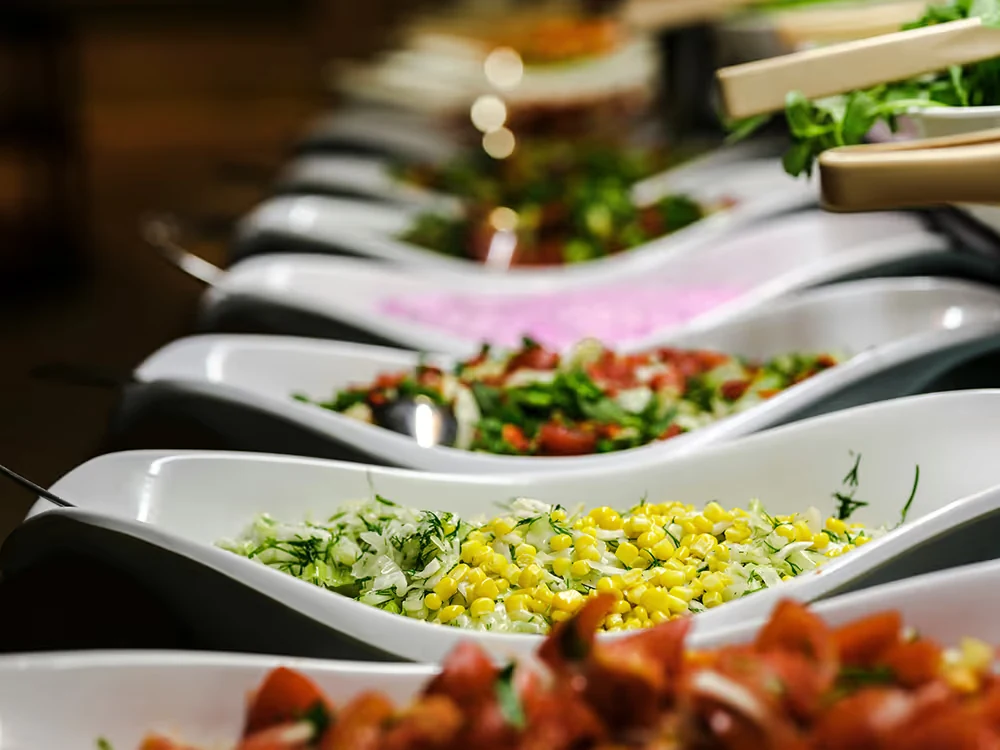
Fresh salads are a natural fit for warm-weather weddings, but the ingredients and dressings should be chosen with care. Robust vegetables, grains, quinoa, beans and roasted vegetables generally maintain their texture better than delicate leaves.
Salads containing temperature-sensitive ingredients still require appropriate handling. Dressings can be added close to service so the ingredients remain fresh and visually appealing.

Match the Menu to the Time of Day
The timing of the reception affects the type of food guests are likely to appreciate. A midday celebration in warm weather calls for a different balance from an evening wedding where temperatures may ease after sunset.
Daytime Receptions
For an earlier reception, menus can place greater emphasis on fresh seafood, vegetables, citrus flavours, salads and lighter mains. Guests still need enough food to feel satisfied, but overly rich dishes may feel less comfortable in the middle of a warm afternoon.
Cocktail service can work particularly well during this period because canapés can circulate steadily while guests socialise. Shared platters can also create a relaxed atmosphere without the formality of multiple plated courses.
Late-Afternoon and Evening Receptions
As the temperature drops, the menu can gradually become more substantial. A late-afternoon cocktail hour might begin with fresh seafood and vegetable canapés before progressing into hot finger food, premium items or shared mains.
For a plated dinner, the timing should allow guests to settle in after the ceremony while avoiding long delays before the first food is served. Speeches and formalities can then be placed between courses so the kitchen and service team can deliver each dish at its best.
Late-Night Food
If the celebration continues well into the evening, late-night food can help keep guests energised once dancing is underway. Handheld items are usually the most practical because guests can enjoy them without returning to the table.
Sliders, burgers, pies, sausage rolls and other satisfying finger-food items can suit this stage of the reception. The late-night offering should complement the earlier menu rather than feel like a second full meal.
Keep Food Flowing Throughout the Reception
The quality of the menu depends on more than the dishes selected. Service timing, staffing and coordination all influence how guests experience the food.
Serve Smaller Quantities More Frequently
In warm weather, smaller and more frequent servings are generally preferable to large unattended displays. Canapés can circulate on trays, shared platters can be served at the appropriate point in the meal and desserts can remain chilled until guests are ready for them.
This approach helps protect food quality while ensuring the presentation remains neat. It also creates a sense of movement throughout the reception, with guests receiving fresh items at regular intervals.
Coordinate Food Service With Formalities
Wedding food should support the flow of the day rather than compete with it. Long speeches immediately before a hot course can create delays. Cake cutting, photos and dancing should also be considered when deciding when dessert or late-night food will be served.
A clear catering timeline allows the kitchen, wait staff, venue team and event manager to work together. It also reduces the likelihood of guests waiting too long between food offerings or receiving dishes while their attention is focused elsewhere.
Plan Around the Venue
Outdoor wedding catering in Melbourne can require additional infrastructure, particularly when the venue does not have a permanent kitchen. Preparation areas, refrigeration, power, water access and service pathways may all need to be considered before the menu is confirmed.
The menu should work with the venue rather than against it. A cocktail menu or shared platter service may suit an outdoor celebration with a mobile catering setup, while a complex plated menu may require closer access to suitable preparation facilities.
Food Safety Remains the Priority
Regardless of the menu style, potentially hazardous food needs to be kept at safe temperatures. Cold food should generally be stored and displayed at 5°C or colder, while hot food should generally be kept at 60°C or hotter. When food is served outside these temperatures, the time needs to be carefully controlled in accordance with the 2-hour / 4-hour rule.
This is especially important during warm-weather weddings, as outdoor conditions can affect food more quickly. Seafood, meat, dairy products, cooked grains and prepared salads all require careful handling.
For couples, this reinforces the value of working with a catering team that considers food safety alongside presentation and service flow. Careful planning supports safe food preparation, storage and display while allowing guests to enjoy the menu without seeing the detailed coordination taking place behind the scenes.
Plan a Menu That Works With the Season
A successful warm-weather wedding menu balances flavour, presentation, safety and practicality. The food should reflect the style of the celebration while remaining suited to the venue, the weather and the catering timeline.
Cocktail canapés served in rotation, fresh plated dishes and generous shared feasting platters can all work well during Melbourne’s warmer months when they are supported by thoughtful planning. The best approach depends on how the day is structured, where the reception is held and how guests are expected to dine.
At Essential Catering & Events, we plan each menu with the full event experience in mind. By matching the food and service style to the season, we can help create a reception that feels relaxed, considered and enjoyable from the first canapé to the final late-night bite.