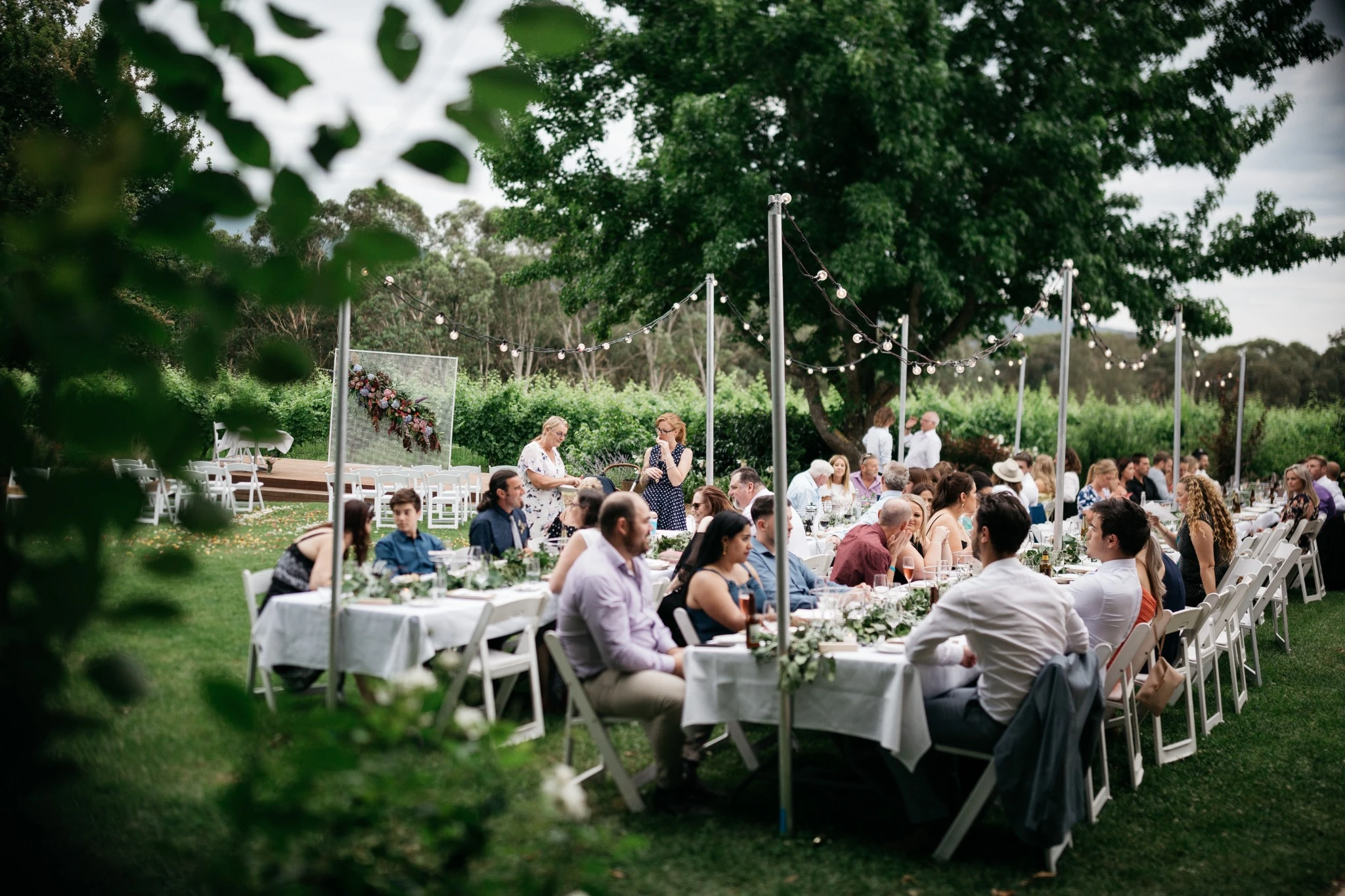
Outdoor celebrations have become a defining choice for Melbourne couples who want their wedding to feel personal, relaxed and memorable. From garden ceremonies at historic estates to coastal receptions and warehouse courtyards under the stars, the city offers an extraordinary range of open-air settings that can be transformed into beautiful dining experiences. With that freedom, however, comes a different level of planning, particularly when it comes to catering and service.
At Essential Catering & Events, we work closely with couples to ensure the food and service feel naturally aligned with the location, the season and the overall vision for the day. In this guide, we share practical insight into what makes outdoor wedding catering work in Melbourne’s unique conditions. From menu design and service style to infrastructure, permits and weather contingencies, every decision influences how seamless the celebration feels. By understanding what happens behind the scenes, couples can make confident choices that protect their budget and ensure guests enjoy the experience from the first canapé to the final toast.
Outdoor Wedding Locations and What They Mean for Catering
Where a couple chooses to host their outdoor reception has a direct impact on what is realistically possible with food and service. Different locations bring different access considerations, council requirements and infrastructure limitations, all of which influence menu design, equipment planning and staffing levels. Rather than forcing a menu to suit the setting, experienced caterers plan around the environment so service feels seamless and intentional.
Before confirming a venue, it helps to understand what facilities already exist and what will need to be brought in. This affects everything from whether a multi-course plated menu is feasible to how glassware is washed, where waste is stored and how smoothly courses can be delivered throughout the evening. Addressing these practical elements early allows the atmosphere and guest experience to remain the focus on the day itself.
Private Properties and Garden Weddings
Backyard and private estate weddings across Melbourne offer flexibility with timing, styling and guest flow, but they rarely include the infrastructure of a traditional venue. In most cases, catering operates as a fully mobile setup, with ovens, refrigeration, preparation benches and handwashing facilities brought onsite to create a temporary working kitchen.
Access is one of the first practical considerations. Narrow driveways, soft lawns or uneven ground can affect where equipment is positioned and how vehicles enter and exit the property. Couples should confirm there is adequate space for a catering marquee, whether existing power supply is sufficient or additional support is required, and how close the kitchen can be positioned to the dining area without disrupting the overall aesthetic.
Water access and waste management also need early discussion. Professional outdoor catering requires careful planning to ensure food safety standards are maintained and the property is left in good condition once the celebration concludes. When these elements are addressed at the planning stage, private properties can deliver a beautifully relaxed experience without logistical surprises.
Public Parks, Gardens and Beaches
Melbourne’s public parks, gardens and bayside locations can create striking outdoor celebrations, yet they operate under strict council regulations. Permits often specify guest numbers, vehicle access times and alcohol service conditions, all of which shape how catering is planned and delivered.
Because permanent kitchens are rarely available, menus must suit mobile service. Canapés, grazing tables and shared platters often work more effectively than complex plated courses requiring close kitchen proximity. Setup and pack-down times are usually defined by permit conditions, so service flow needs to be efficient without feeling rushed.
Site protection is also important. Many public locations restrict glass, open flames or heavy vehicle movement on lawns and sand. Catering layouts must work within approved vehicle zones and service pathways so guests experience a polished event while the environment remains undisturbed. When planned carefully, public spaces can feel effortless, even though the logistics behind them are tightly managed.
Wineries, Farms and Dedicated Outdoor Venues
Wineries, rural estates and purpose-built outdoor venues offer a balance between open-air ambience and partial infrastructure. Many provide access to power, storage areas or coolrooms, which allows greater flexibility in menu format and service style compared with fully remote locations.
Even so, outdoor elements still shape the catering plan. The distance between kitchen facilities and marquees or lawns affects pacing, particularly for plated courses. In some settings, shared feasting or entrée platters can improve flow and maintain temperature without compromising presentation. Wind direction, exposure and internal marquee climate also influence menu decisions, especially for delicate desserts or seafood.
Close coordination with venue management is essential. Understanding what equipment is already available, such as ovens, glassware or refrigeration, prevents unnecessary hire duplication and keeps the overall budget controlled. When infrastructure and service style are aligned early, these venues allow couples to achieve both refinement and a relaxed outdoor atmosphere.
What Outdoor Wedding Catering Requires
Outdoor receptions often take place in spaces that were never designed to function as commercial kitchens. What guests experience as relaxed and effortless service is usually supported by careful planning behind the scenes. Equipment, staffing, timing and layout all need to work together so food is served at the right temperature, drinks move smoothly and transitions throughout the evening feel natural rather than rushed.
Unlike traditional venues where infrastructure is built in, outdoor settings require a temporary operational plan. That plan must account for access, safe working areas, proximity to guests and compliance with food safety standards. The earlier these elements are discussed, the more confidently menus and service styles can be shaped around them.
Successful outdoor catering depends on how well the practical details are managed so the environment and guest experience remain the focus.
Site Access, Layout and Basic Infrastructure
Every outdoor site brings its own practical realities. Vehicle access, distance from parking to the service area and any restrictions on delivery times or noise all influence how catering is structured. A marquee in a paddock requires a very different approach compared with a reception in a landscaped garden or courtyard.
Layout planning goes beyond simply finding space for a kitchen. Bar placement, buffet positioning and clear service pathways all affect how comfortably the event flows. Staff need safe, well-lit routes to move trays and equipment, particularly across grass, gravel or uneven surfaces. Thoughtful positioning reduces congestion around the bar, avoids unnecessary queueing and allows guests to move naturally between dining, mingling and dancing areas.
Ground conditions also matter. Catering equipment must sit securely and level to operate safely. Identifying suitable areas early prevents last-minute reshuffling once marquees, furniture and styling elements are installed. When access and layout are considered from the outset, service feels smooth and unobtrusive rather than reactive.
Equipment, Food Safety and Menu Suitability
Outdoor catering requires a level of self-sufficiency that many couples do not initially see. Depending on the menu and location, equipment such as mobile ovens, grills, refrigeration units and portable handwashing stations may need to be brought onsite. Each piece must fit within the available footprint while meeting food safety and operational standards.
Menu design is closely linked to these practical considerations. Dishes need to travel well from kitchen to guest, hold temperature safely and remain appealing even if timing shifts slightly. For warmer days, items that are stable at ambient temperature or easily refreshed in small batches are often preferred. In cooler conditions, heartier options that retain warmth comfortably can enhance both flavour and guest comfort.
Food safety becomes especially important in Melbourne’s variable climate. Proper storage, temperature monitoring and controlled service timing ensure that quality is maintained from preparation through to plating. When menu decisions are aligned with equipment capacity and environmental conditions, the result is service that feels effortless while remaining carefully managed behind the scenes.
Weather, Permits and Coordination with Other Suppliers
Outdoor weddings require more than a favourable forecast. Beyond temperature and rain, catering plans must consider wind direction, sun exposure, permit conditions and how other suppliers will use the site throughout the day. These elements influence not just comfort, but timing and service flow.
Some locations require permits for catering vehicles, alcohol service or open-flame cooking. These conditions may dictate where kitchen setups can be positioned and when access is allowed. Understanding these requirements early prevents adjustments on the day and ensures compliance without disrupting the guest experience.
Coordination with marquee companies, stylists, planners and hire suppliers is equally important. Power loads must align with kitchen equipment, table layouts must allow for safe service pathways and lighting must support both ambience and visibility for staff. When suppliers operate from a shared site plan, transitions feel seamless and the practical side of the event remains largely invisible to guests.
Weather Planning for Outdoor Weddings
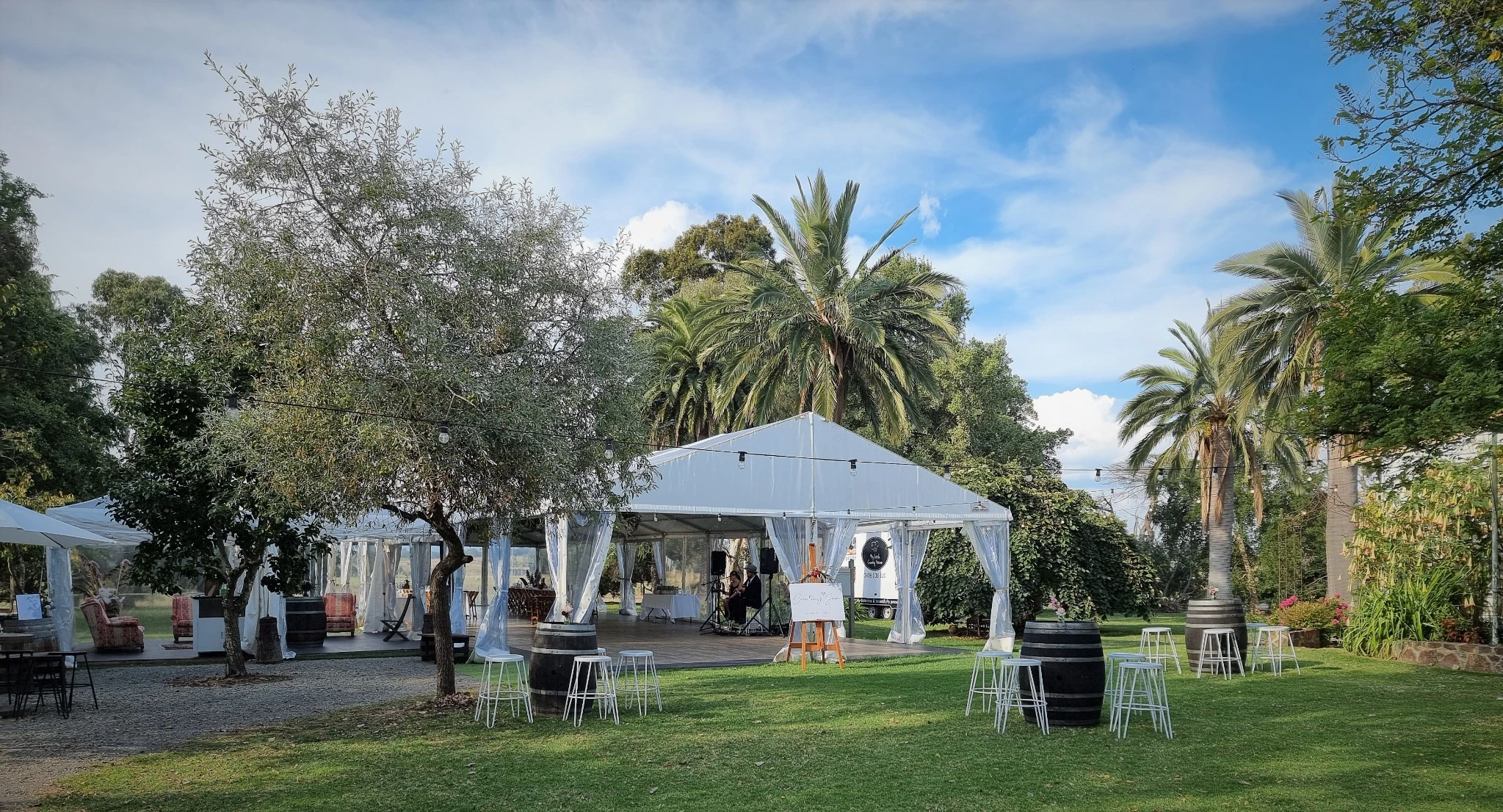
Melbourne’s weather can shift quickly, which makes structured planning essential for any outdoor celebration. Rather than relying on the forecast alone, experienced caterers build flexibility into the layout, equipment positioning and service plan from the outset. The objective is to ensure the event can adapt smoothly if conditions change.
Clear contingency planning is central to this process. Couples should confirm early whether a marquee, pavilion or indoor option will serve as a backup and how that change affects kitchen placement, bar setup and guest seating. Establishing a decision time, often the morning of the wedding, allows adjustments to be made before guests arrive, keeping transitions controlled and professional.
When contingency planning is defined in advance, weather becomes a logistical consideration rather than a disruption.
Planning for Rain and Wind
Rain and wind primarily affect infrastructure and service logistics. Wet-weather protection must extend beyond guest cover to include enclosed, stable kitchen areas with adequate flooring and lighting so food preparation can continue safely.
Wind often presents greater operational challenges than rain. Lightweight styling, open platters and signage can become unstable, and tray service may need to be adjusted. Buffet stations should be positioned away from prevailing wind lines, and servingware may require additional weighting or protective covers.
Bar placement and service routes should also be mapped carefully to prevent congestion if guests move quickly under cover. Addressing these structural and layout considerations early ensures continuity of service regardless of conditions.
Managing Heat, Cold and Direct Sun
Temperature directly influences menu design and food safety. On warmer days, menus benefit from dishes that remain stable at ambient conditions or can be replenished in smaller, frequent batches. Shade coverage over food stations and hydration access for guests become practical priorities.
Cooler evenings call for a different approach. Substantial, warming dishes and sheltered dining zones help maintain atmosphere without compromising pacing. Heating solutions should support guest comfort without interfering with service pathways.
Direct sun exposure also affects presentation. Desserts, seafood and delicate garnishes may require protective positioning to maintain quality. Aligning menu selection with environmental conditions ensures consistency from first course to final service.
Timing Decisions and Communicating the Back‑Up Plan
A contingency plan is only effective if the activation point is clearly defined. Setting a formal decision time, often the morning of the wedding, ensures suppliers can commit to either the primary or alternate layout without hesitation.
Once that decision is made, communication must be immediate and consistent across all suppliers. Catering, bar, marquee, styling and hire teams need confirmation so equipment placement, table configurations and service routes are locked in before guest arrival.
Clarity at this stage prevents last-minute repositioning and maintains control of the run sheet. When decisions are made early and communicated decisively, the shift between plans feels structured rather than reactive.
Choosing the Right Catering Style for an Outdoor Wedding
Catering style shapes the rhythm of an outdoor reception just as much as the menu itself. The format chosen influences how guests move through the space, how long they remain seated and how service interacts with the environment. In open-air settings, practical considerations such as terrain, exposure and access must sit alongside ambience and personal preference.
Rather than selecting a style based purely on appearance, it helps to consider how the venue functions in real time. Level ground, kitchen proximity and guest numbers all affect whether a structured sit-down dinner, shared feasting or cocktail-style service will feel natural. When service format aligns with the setting, the event flows comfortably and the atmosphere feels intentional rather than forced.
Plated Sit-Down Dining
A plated sit-down menu suits couples who want a more structured and formal dining experience. It works best in outdoor settings where the ground is level, tables can be arranged with clear spacing and the kitchen setup is positioned close enough to the reception area to maintain smooth service timing.
Because courses are served sequentially, pacing becomes critical. The distance between kitchen and guests directly affects temperature and presentation, so layout planning is particularly important. In marquees or covered spaces, lighting and table positioning also contribute to how refined the experience feels once evening sets in.
Plated service is often well suited to mixed-age guest lists, as it allows everyone to remain comfortably seated while dietary requirements are managed discreetly by staff. For cooler months or later receptions, it also lends itself to more substantial, warming dishes that hold well and enhance the sense of occasion without feeling rushed.
Shared Feasting & Grazing
Shared feasting and grazing formats create a relaxed yet generous atmosphere that works beautifully in outdoor settings. Long tables layered with platters encourage conversation and connection, allowing guests to serve themselves while still feeling part of a curated dining experience.
This style suits wineries, garden properties and marquee receptions where there is space for central platters or dedicated grazing stations. Because food remains visible for longer periods, presentation and protection are especially important. Covered platters, staged replenishment and thoughtful placement away from direct sun or wind help maintain both quality and visual appeal.
Service flow should also be considered carefully. Tables need enough width for guests to pass dishes comfortably, and staff require clear access to refresh platters without interrupting conversation. When balanced well, shared dining feels abundant and inviting while remaining highly organised behind the scenes.
Cocktails, Canapés & Food Stations
Cocktail-style catering offers flexibility and movement, making it well suited to gardens, courtyards and tiered outdoor spaces where guests are encouraged to mingle. Roaming canapés allow service to move with the crowd rather than anchoring guests to a single area, which can be particularly effective in venues with multiple levels or separated lawn areas.
Menu design is critical in this format. Items should be easy to handle while standing and suitable for varying ground conditions. Delicate dishes that require two hands or are prone to spilling rarely work well outdoors. Food stations, such as live cooking setups or themed counters, must be positioned on stable ground with appropriate lighting and safe service zones to avoid congestion.
Because there is no formal seated main course, it is important to plan generous quantities and include more substantial options throughout the evening. Thoughtful pacing ensures guests feel satisfied without the service becoming rushed or overwhelming. When well structured, cocktail-style catering creates an energetic yet controlled flow that suits many open-air celebrations.
Budget Considerations for Outdoor Wedding Catering
Outdoor catering is often one of the largest investments in an open-air wedding, particularly when infrastructure must be built from the ground up. Unlike traditional venues with established kitchens and service areas, outdoor locations frequently require temporary kitchen setups, additional equipment, transport coordination and extended staffing, all of which affect overall cost.
Setting a clear food and beverage budget early makes service style decisions more straightforward. Whether prioritising a plated menu, shared feasting or cocktail-style service, having a defined figure allows couples to balance format, menu depth and service duration without overextending.
Less visible costs also require consideration. Kitchen marquees, refrigeration, glassware hire, waste removal, transport logistics and labour hours can meaningfully shape the final proposal. Transparent itemisation ensures there are no surprises and allows adjustments to be made well before the event date.
When budgeting is addressed early and realistically, catering decisions become intentional rather than reactive, and couples retain control over both atmosphere and spend.

What to Clarify Before Confirming Outdoor Wedding Catering
Choosing catering for an outdoor reception involves more than approving a menu. Outdoor events introduce practical considerations that influence how food is prepared, delivered and experienced by guests. Clarifying these details early allows expectations to align and prevents last-minute adjustments.
Scope of Service and Inclusions
Before confirming catering, it is important to understand exactly what is included in the proposal. Outdoor events often require temporary kitchen infrastructure, refrigeration, portable handwashing facilities, glassware and waste management. These elements are not always standard across providers.
A clearly itemised proposal avoids assumptions. When couples understand what is covered and what may require additional hire, budgeting becomes more controlled and transparent.
Site Requirements and Operational Needs
Every outdoor location presents its own conditions. Access points, ground stability, available power and venue or council requirements all influence how catering is delivered.
Clarifying what the site can support and what must be brought in ensures the chosen menu and service style are realistically matched to the environment. These discussions often reveal logistical details that are easy to overlook during early planning.
Staffing and Service Structure
Outdoor receptions rely on careful pacing and coordination. Confirming staffing levels, arrival times and service duration helps align catering with the broader run sheet.
It is also useful to understand how timing adjustments are managed if speeches run long or the schedule shifts. Knowing how the team responds to changes provides reassurance that service will remain calm and professional throughout the event.
Contingency and Weather Planning
Weather planning should be clearly defined before confirming arrangements. This includes understanding what structural backup is in place, how layouts adjust if conditions change and when decisions are made to activate an alternative plan.
When contingency discussions are handled early, any adjustments feel measured rather than reactive. Guests experience continuity even if the environment shifts.
Planning outdoor wedding catering in Melbourne involves far more than choosing dishes from a menu. It requires careful alignment between location, infrastructure, service style and timing so everything functions smoothly behind the scenes. When these elements are considered early, the celebration feels natural rather than staged, no matter how complex the setup may be.
Melbourne offers an extraordinary variety of outdoor settings, from private gardens and coastal spaces to winery estates and rural properties. Each brings its own logistical considerations, but with structured planning those variables become manageable rather than overwhelming. Clear communication, realistic budgeting and experienced coordination turn potential challenges into part of a well-organised plan.
When catering is thoughtfully matched to the environment and supported by strong operational preparation, guests remember the atmosphere, the food and the flow of the evening, not the work required to deliver it. That balance is what allows an outdoor wedding to feel effortless, even when the planning behind it is anything but.