
Planning food for a wake or memorial can feel difficult at an already emotional time. Thoughtful funeral catering in Melbourne helps create a calm and welcoming setting where family and friends can gather, share memories and feel looked after without the practical details becoming overwhelming.
At Essential Catering & Events, we understand that funeral and memorial catering needs to feel respectful, simple and comforting. We can support Melbourne families with drop-off platters, light refreshments, grazing-style options, more substantial catering, beverages and discreet on-the-day service.
This article explains how to choose suitable food and service for funerals, wakes and memorials, including what to consider around guest numbers, timing, venue facilities, dietary needs and the overall tone of the gathering.
Why Wake and Memorial Catering Needs a Different Approach
Food at a wake or memorial serves a very different purpose from food at a birthday party, wedding or corporate event. It is not about impressing guests or creating a formal dining experience. It is about comfort, ease and care for people who may have little appetite but still need nourishment and a welcoming place to gather.
Funeral catering also needs to work around tight timings, cultural or religious expectations and the practical realities of guests arriving from a chapel, cemetery, service or memorial. A thoughtful approach helps ensure the food feels appropriate to the occasion and that guests feel looked after without the service becoming intrusive.
Sensitivity and Emotional Context
Guests at a wake are often tired, distracted or upset. Food that is too heavy, messy or elaborate can feel out of place or go largely untouched. Familiar, comforting options are usually best because they are easy to eat and feel gentle rather than indulgent.
Simple presentation is also important. Neatly arranged platters, modest garnishes and soft styling help keep the focus on the person being remembered. The food should support the gathering, not take attention away from it.
The tone of service matters as much as the menu. Our team understands the importance of working quietly in the background, replenishing food discreetly and avoiding unnecessary interruptions. The aim is to support the flow of conversation, remembrance and comfort.
Practicality for Unpredictable Guest Numbers
Unlike many planned celebrations, guest numbers for wakes and memorials can be uncertain until the day. Catering needs to be flexible enough to manage last-minute changes without leaving noticeable gaps on the table. Items such as sandwiches, wraps, frittatas, pastries, savoury bites and grazing platters are useful because they can be scaled more easily than plated meals.
Most guests prefer to graze rather than sit down to a structured meal. Finger food that can be eaten in one or two bites allows people to hold a plate and drink while talking, comforting others or moving around the room. Foods that crumble, drip or require a lot of cutlery are usually best avoided.
Respecting Culture and Family Preferences
Funeral and memorial catering often needs to reflect the background, beliefs or preferences of the person being honoured. This may involve familiar family-style food, traditional breads, simple sweets, meat-free dishes or menu choices that feel meaningful to the family.
The approach does not need to be elaborate. Often, small and thoughtful menu choices can quietly acknowledge heritage or family traditions while still keeping the gathering calm and respectful.
Drinks should also reflect the tone of the occasion. Some families prefer tea, coffee, water and soft drinks only, while others may include a simple selection of beer, wine or sparkling wine. We can help tailor the beverage approach to suit the family, venue and style of gathering.
Choosing Between Light Refreshments and More Filling Food
The choice between light refreshments and more filling food depends on the time of day, length of the gathering, venue facilities and the needs of the guests. Getting this balance right helps the event feel comfortable and considered without creating unnecessary waste or expense.
Light offerings suit shorter gatherings or services held between meal times. More filling catering is better suited to longer wakes, main meal periods or situations where guests may be travelling across Melbourne or from interstate.
When Light Refreshments Are Most Appropriate
Light catering usually includes items such as petite sandwiches, ribbon sandwiches, mini quiches, savoury pastries, cake slices, scones and fruit platters. This style of menu works well for gatherings of one to two hours, especially mid-morning or mid-afternoon, where guests are not expecting a full meal.
Light refreshments help keep the focus on conversation and remembrance. They are also practical when guests are moving between locations, such as from a chapel to a graveside service and then to a venue. In warmer months, lighter food can feel especially suitable, particularly if part of the gathering is outdoors.
When More Filling Food Is the Better Choice
More filling food is often appropriate when the wake falls over lunch, late afternoon or early evening. In these situations, guests may arrive hungry, especially if they have travelled or have not eaten before the service.
Heavier offerings may include hot finger food, grazing tables with salads and proteins, fork dishes, hot buffet items or a mix of warm and cold options. This style of menu is well suited to:
- Late morning funerals that continue into a lunchtime wake
- Early evening memorials where guests may expect something closer to dinner
- Larger gatherings where people are likely to stay for several hours
- Services where guests have travelled from outer suburbs, regional Victoria or interstate
A menu with both warm and cold options can work well in Melbourne’s changing weather and allows guests to eat at their own pace.

Food and Drink Options That Are Easy to Serve
Food and drink should be simple to serve, easy to eat while standing and suitable for guests who may not feel like a full meal. The most practical options are those that can be prepared in advance, served at room temperature or lightly heated and replenished quietly as needed.
Choosing easy-to-serve items also reduces pressure on family members and venue staff. Finger foods, platters, grazing tables and self-serve drink stations allow guests to help themselves when they feel ready, which suits the unstructured nature of most wakes and memorials.
Practical Finger Foods for Standing Guests
Finger food is often ideal because cutlery is not always practical when guests are mingling. Bite-sized pieces that can be eaten neatly make the food easier to manage and reduce the risk of spills.
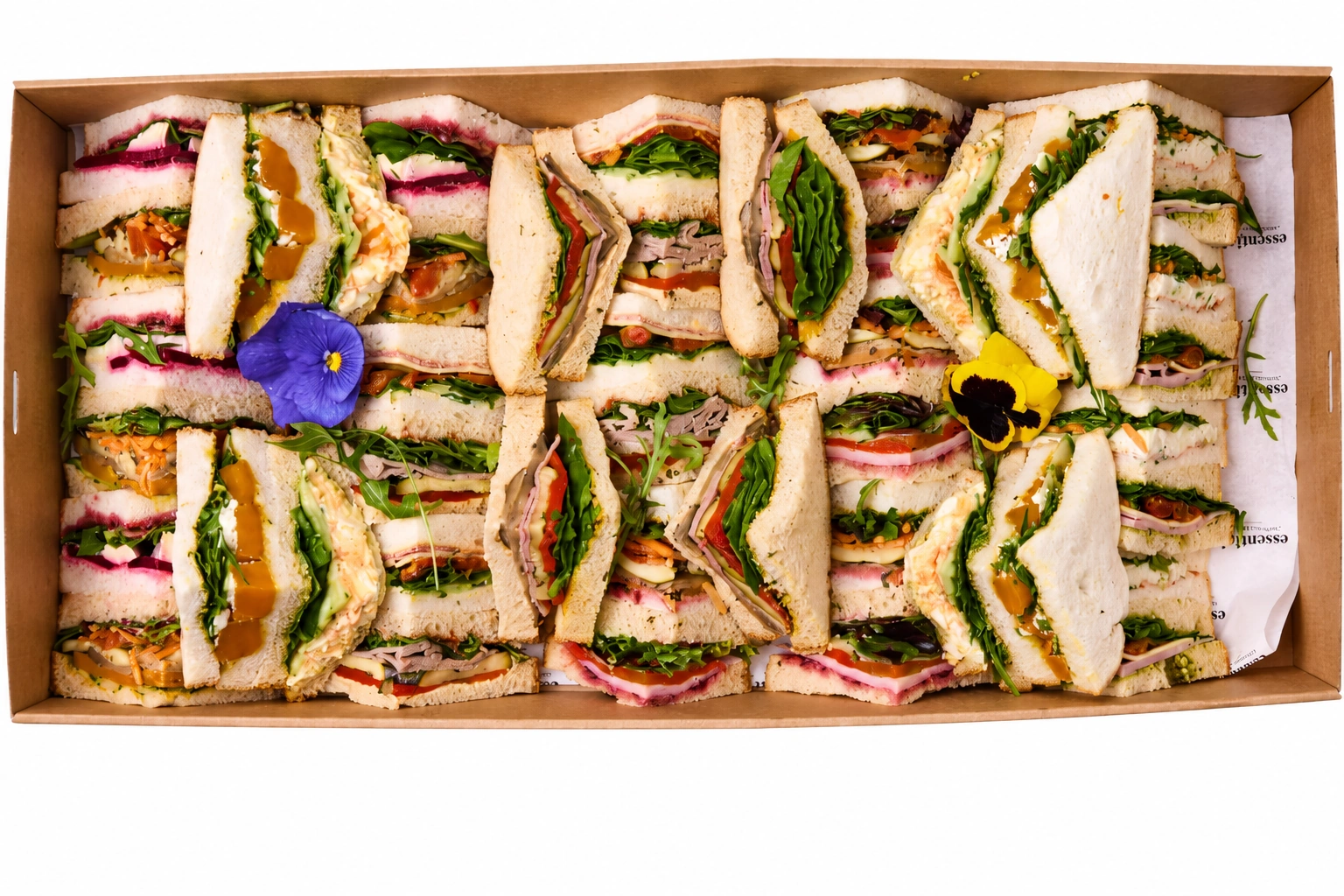
Suitable options include mini sandwiches with soft fillings, ribbon sandwiches, small wraps, sliders, savoury pastries, mini quiches, frittatas, sushi and rice paper rolls. These are familiar and comforting, while also giving guests enough variety.
Vegetarian options should be included as part of the main spread, rather than treated as an afterthought. This helps ensure all guests have something suitable and appealing to eat.
Grazing Tables and Platters
Grazing tables and platters suit wakes and memorials where guests arrive at different times. They allow people to take food as they feel ready and give staff the option to replenish quietly without interrupting conversations.
Cold platters require minimal handling and can stay appealing over a longer period when managed properly. Suitable choices include:
- Antipasto with cured meats, cheeses, olives and grilled vegetables
- Fresh seasonal fruit platters
- Cheese boards with crackers and bread
- Sliced cold meats with salads
- Sandwich and wrap platters
- Sweet platters with slices, cakes or petite desserts
Items should be pre-sliced or portioned so guests can serve themselves easily. For hot buffet options, it is usually best to keep the selection focused with a small number of comforting dishes that are easy to serve and eat.
Thoughtful Beverage Choices
Beverages should be easy for guests to access without overcomplicating the service. Tea and coffee are often expected at a wake or memorial, along with water, soft drinks and light refreshments.
In cooler months, tea, coffee and warm drinks can feel especially comforting. In warmer weather, chilled water, sparkling water, juice and soft drinks are usually appreciated.
If alcohol is included, a simple and understated selection is usually enough. Light beer, red and white wine, and perhaps sparkling wine can be suitable depending on the family’s preferences and the venue. Cocktails or spirits are generally less appropriate because they require more service and can shift the tone of the gathering.
Guest Numbers, Timing and Venue Details
Guest numbers, timing and venue details shape every part of funeral catering. Food style, portioning, staffing, delivery times and setup all depend on how many people are expected, when they will arrive and what the space can accommodate.
Clear information at the planning stage allows us to recommend a catering style that feels generous, respectful and practical. It also helps avoid two common concerns: running out of food at a sensitive moment or having large amounts of unsuitable food left over.
Estimating Guest Numbers
Attendance at a wake or memorial can be difficult to predict. A realistic estimate should include immediate family, extended relatives, close friends, colleagues, neighbours, community members and anyone who may have seen public notices or social media details.
If attendance is uncertain, it is helpful to provide a minimum and maximum estimate. For example, “at least 40 but possibly up to 80” gives us a better basis for planning food quantities and service requirements. Platters, grazing tables and bite-sized items are often useful when final numbers may change because they can be scaled more easily than plated meals.
Timing and Duration of the Event
The time of day strongly influences what type of food will feel appropriate. A morning service followed by a wake may suit pastries, fruit, sandwiches and warm savoury bites. A midday or early afternoon gathering may call for more filling options. Late afternoon or early evening memorials can work well with substantial finger food, grazing boards or light buffet-style catering.
Duration is equally important. A short one-hour condolence gathering requires less food than a three-hour memorial where guests are likely to stay and talk. For longer events, food is often better replenished gradually rather than placed out all at once. This helps platters stay fresh and ensures late arrivals are still welcomed with something to eat.
It is also important to consider the gap between the service and the wake. If guests are travelling from a chapel or cemetery to another venue, delivery and setup should allow for possible delays so the food is ready when guests arrive but not sitting out too long.
Venue Layout and Practical Considerations
The venue affects what can be served and how smoothly the catering will run. Wakes and memorials may be held in funeral venues and chapels, church halls, community venues, private homes, workplaces, function rooms or outdoor spaces.
Before confirming the menu, it is worth checking whether the venue has:
- Access to refrigeration or heating equipment
- Adequate serving tables
- A suitable space for food and beverage stations
- Room for guests to move around comfortably
- Access for delivery, setup and pack-down
- Any restrictions on alcohol, equipment or outside catering
If kitchen facilities are limited, prepared platters, room-temperature items and self-contained hot dishes may be more suitable. If the room is narrow or crowded, roaming canapés or several smaller food stations may work better than one central buffet table.
Dietary Requirements and Guest Comfort
Thoughtful attention to dietary needs is one of the simplest ways to help guests feel cared for. Clear planning around allergies, intolerances and cultural or religious requirements allows people to eat with confidence during an emotional time.
The most effective approach is to keep the menu inclusive without making it complicated. A well-planned spread should offer familiar flavours, clear labelling and enough variety for guests with different dietary needs.
Common Dietary Needs to Consider
Most wakes and memorials will include guests with different dietary requirements. Planning for common needs early helps avoid last-minute stress.
Gluten-free options may be required for coeliac guests or those with intolerances. Suitable choices can include rice-based salads, frittatas, grilled meats without crumb coatings, fruit platters and clearly separated gluten-free baked items.
Dairy-free and vegan options can often be planned together. Dips, vegetable platters, roast vegetable dishes, salads with vinaigrette, dairy-free sweets and plant-based savouries can work well. For tea and coffee, it is helpful to provide oat or soy milk alongside regular milk.
Vegetarian choices should be substantial enough to form a proper plate, not just a few side items. Options such as vegetable tarts, vegetarian pastries, vegetarian sushi, salads with grains or legumes and roast vegetable platters can provide variety and balance.
Nut allergies require particular care. Where possible, nut-based items should be kept separate and clearly labelled. It is also best to avoid using nuts as garnish on dishes that would otherwise be suitable for more guests.
Cultural and religious requirements may include halal, kosher-style, Jain, vegetarian or no-beef-or-pork preferences. Simple vegetarian dishes, salads, grilled fish, chicken and plant-based items can help accommodate a range of needs when planned carefully.
Practical Menu Planning for Inclusivity
The best approach is often to design the overall menu so that every guest can find something suitable without needing to ask for a special plate. This can be done by choosing food that is:
- Mild in flavour
- Easy to eat while standing
- Clearly labelled
- Naturally adaptable to different dietary needs
If meat pastries are served, a vegetarian or vegan pastry can be offered alongside. If dairy-based desserts are included, a dairy-free sweet option should also be available. This helps guests feel included without drawing attention to their dietary requirements.
Labelling and Communication
Clear labelling is important at a wake or memorial because guests may not feel comfortable asking questions. Simple labels noting gluten-free, dairy-free, vegetarian, vegan or contains nuts allow people to make quick and confident choices.
If invitations are being sent, a brief line asking guests to advise of any allergies or dietary requirements can be helpful. This information can then be shared with the catering team so suitable options are included from the beginning.
Where needed, allergen-friendly items should be placed on separate platters with dedicated serving utensils to reduce cross-contact. Staff should also be briefed on the menu so they can answer simple questions calmly and respectfully.
Drop-Off Catering or Serviced Funeral Catering
Choosing between drop-off catering and staffed funeral catering depends on the venue, guest numbers, budget and the level of support the family would like on the day. Both options can be respectful and practical, but they suit different types of gatherings.
Drop-off catering may suit smaller or more private wakes, while staffed catering can be helpful for larger events or occasions where the family does not want to manage setup, replenishing or clearing.
What Drop-Off Funeral Catering Involves
Drop-off catering provides prepared food delivered ready to serve or with minimal setup. It is often a practical choice for memorials held at home, in community halls, churches, workplaces or venues without full kitchen access.
Food may be supplied on platters or in suitable catering trays with labels so guests can identify what is being served. Menus usually focus on items that hold well, such as sandwiches, wraps, fruit, pastries, sweets, grazing items and selected hot options.
Drop-off catering gives families flexibility around timing and presentation. Food can be delivered before the service, ready for guests to arrive afterwards, or scheduled to arrive during the gathering. This option works well when the family or venue has someone available to set out, replenish and clear the food.
What Staffed Funeral Catering Provides
Staffed funeral catering includes staff to manage setup, presentation, service and basic cleanup. This option is often suitable for funeral venues and chapels, function rooms, licensed spaces and larger gatherings where more support is needed.
Our team can set up food and beverage stations, replenish platters, collect used glassware and crockery, manage tea and coffee, clear rubbish and assist with the general flow of service. In some settings, staff can also provide tray service for canapés or beverages.
Staffed catering helps reduce the practical responsibilities placed on family members. It allows them to spend time with guests, take part in the service and focus on honouring their loved one while the catering is managed quietly in the background.
How Essential Catering & Events Can Help
At Essential Catering & Events, we help take pressure off families by organising comforting food, discreet service and practical support during an already difficult time. Our funeral and memorial catering can be tailored to suit the tone of the gathering, whether it is small and private, formal and traditional, or relaxed and family-focused.
We can assist with light refreshments, sandwich and wrap platters, grazing tables, hot and cold finger food, more substantial catering, beverages, drop-off catering and fully serviced events. The right approach depends on the venue, timing, guest numbers and the level of support the family would like on the day.
Sensitive, Discreet Service on the Day
Funeral catering requires a calm and respectful approach. Our team works quietly in the background so guests feel looked after without the service becoming a distraction.
Depending on the event, we can assist with:
- Setting up food and beverage stations before guests arrive
- Presenting platters and grazing tables neatly
- Replenishing food throughout the gathering
- Managing tea, coffee and non-alcoholic beverages
- Assisting with simple alcohol service where required
- Clearing used items discreetly
- Supporting the timing of food around speeches, tributes or arrivals
Clear communication before the day helps ensure the catering aligns with chapel bookings, cemetery schedules, venue access times and the family’s preferred style of service.
Practical Support With Venues and Logistics
Families may hold wakes in many different settings, including funeral venues, church halls, community spaces, private homes, workplaces, function rooms and outdoor areas. Each venue has its own practical requirements, and the catering should be planned around what the space can realistically support.
We can help consider delivery times, setup needs, kitchen access, equipment, food safety, beverage service and pack-down requirements. This practical support helps reduce last-minute stress and allows families to focus on the service and their guests.
Creating a Respectful and Comfortable Gathering
Thoughtful funeral catering is about creating a comfortable setting where guests can gather, share memories and support one another without unnecessary pressure on the family. Suitable food, clear planning, dietary consideration and the right service style all help the wake or memorial feel calm, organised and in keeping with the occasion.
Whether the gathering calls for simple refreshments, drop-off platters, grazing-style catering, more filling food or staffed hospitality, careful planning helps ensure everything runs smoothly. With quiet and reliable support from Essential Catering & Events, families can feel confident that their guests are cared for while they focus on honouring their loved one.