
The best catering style for an engagement party depends on how you want your guests to celebrate. Canapés and grazing stations suit relaxed cocktail parties, while buffets, shared feasting and plated dining work well for celebrations centred around a meal. Your venue, guest numbers, event length and dietary requirements will help determine the right approach.
Couples researching wedding catering in Melbourne often use their engagement party to introduce guests to the style of celebration they have in mind. At Essential Catering & Events, we can help you choose a menu and service format that reflects your plans, whether you are hosting an intimate gathering at home, a relaxed garden party or a larger event at a Melbourne venue.
Choosing the Right Catering Style for Your Engagement Party
Your catering style affects more than the menu. It shapes how guests move through the venue, when speeches can take place and whether the celebration feels relaxed, lively or formal.
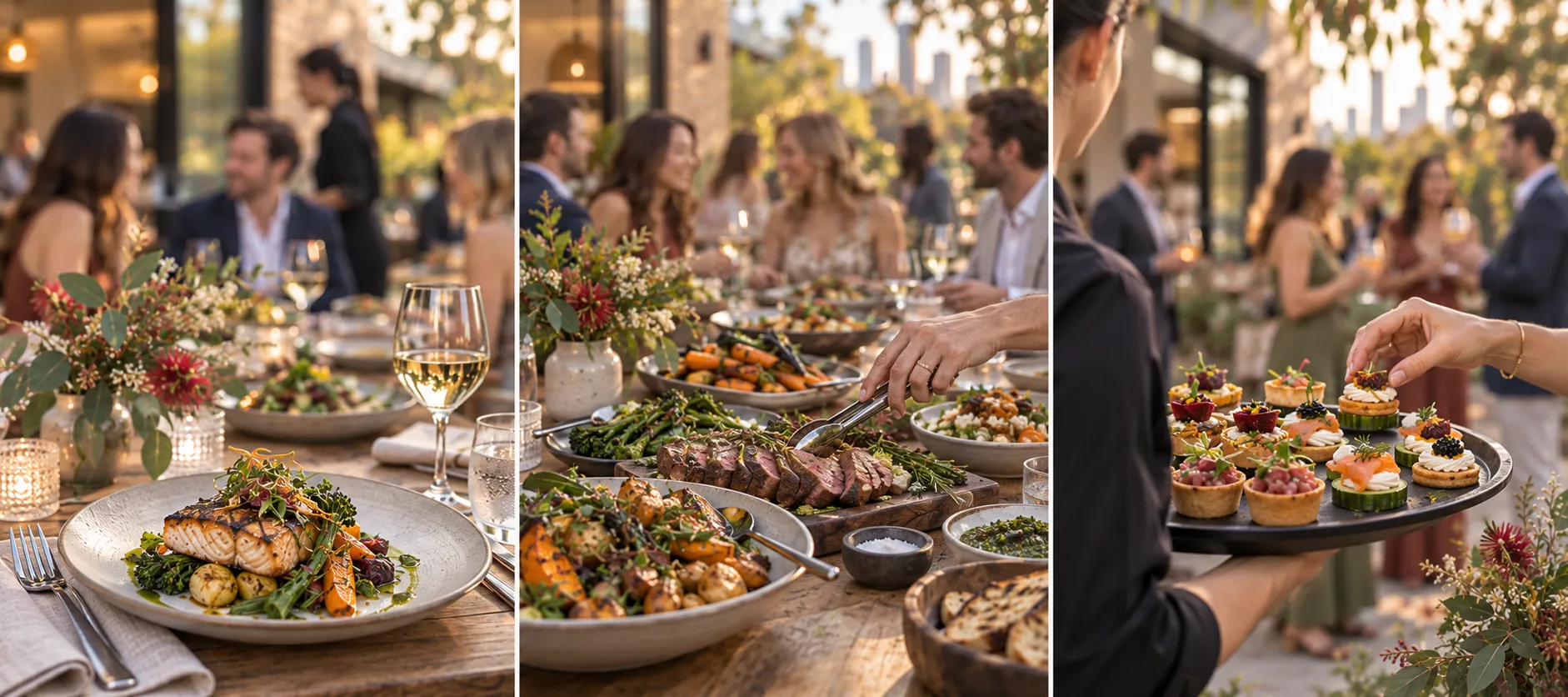
Before choosing individual dishes, consider whether you want guests to mingle throughout the event or sit together for a structured meal. You should also look at the available kitchen facilities, preparation space, power, access and room for staff to work safely. We can cater at private homes, gardens and event venues across Melbourne, with additional equipment available where the venue does not have a suitable kitchen.
If the location has limited preparation facilities, our guide to catering at a venue without a commercial kitchen explains the space, access, power and equipment requirements to consider.
Sit Down Plated Service
Our lated dining menu creates a more formal experience, making it a natural choice for engagement parties with assigned seating, speeches and a planned running order.
You can select two entrées, mains or desserts, depending on your chosen package. The two dishes are then served alternately to your guests. Current seasonal menus feature meat, seafood, vegetarian and vegan options, with dishes designed around fresh produce and polished presentation.
Plated dining works best when the venue has sufficient space for dining tables, place settings and clear service paths. Our packages include a qualified chef, crockery, cutlery, place-setting preparation and premium disposable napkins. Waiting staff, equipment and other event requirements are confirmed according to your location and circumstances.
This option provides a clear structure for your celebration, but the timing needs to be coordinated carefully. We can plan the food service around speeches, photographs and other formalities so guests are not interrupted while a course is being served.
Shared Platters and Family Style Dining
Our feasting menu offers the comfort of seated dining with a more social, relaxed atmosphere. Each course is presented on platters at the table, giving your guests a variety of dishes to share.
Depending on the package you choose, the menu can include finger food on arrival, shared tapas, two main dishes, two sides and a selection of desserts. Current choices range from marinated beef flank, pork belly and salmon to vegetarian pasta and vegan tagine, accompanied by seasonal vegetables and salads.
Feasting works particularly well for long tables and celebrations where you want guests to interact over the meal. However, the tables need enough room for platters, glassware, place settings and any decorations. We can help you determine whether your table layout will support this style comfortably.
Dietary meals may need to be served separately rather than placed on communal platters. Providing accurate dietary information before the event allows us to plan the safest and most practical service arrangement.
Cocktail Style with Canapés and Food Stations
A cocktail-style party is ideal when you want guests to move around, meet both families and socialise throughout the celebration. Our team circulates finger food during the agreed service period, allowing your guests to eat without leaving the conversation for a formal meal.
Our current menu includes cold and hot selections, desserts, premium finger food and more substantial dishes. Options range from potato rosti with Tasmanian smoked salmon and pumpkin arancini to pork belly bao, pulled BBQ beef sliders and plant-based selections.
For a more interactive format, our street food stations can bring a lively, market-style feel to the event. Current themes include Indian-inspired curries, Japanese dishes, tacos, Italian antipasto and pizza, Chinese favourites, and sliders with classic sides.
Cocktail service can work in function rooms, private homes and outdoor spaces, but it is important to provide some seating for older guests, pregnant guests and anyone who cannot stand for long periods.
Finger Food and Canapés for Cocktail-Style Celebrations
Finger food is one of our most versatile options for engagement parties. It can support a short drinks reception or provide a generous meal across a longer cocktail event.
The key is to match the package to the length and timing of your celebration. An evening event held over dinner requires a more substantial offering than a short afternoon gathering where guests will be eating elsewhere afterwards.
How Much Food to Serve for a Cocktail Party
Rather than relying on a generic number of pieces per person, our packages are structured around the food service period:
- Five finger food selections are designed for a 1.5-hour service period.
- Eight or ten selections are available for a two-hour service period.
- Our three-hour Plentiful Offering includes ten finger food selections and either one substantial item or two premium finger food selections.
Our guide to how much finger food to serve per person provides further guidance based on the timing, duration and format of your event.
Five selections may suit a shorter reception or an event where finger food is followed by another meal. For an engagement party held over lunch or dinner, eight or ten selections will provide a more generous service.
If finger food is replacing a full meal, the Plentiful Offering gives guests something more filling alongside the smaller canapés. Depending on your menu, this could include a substantial dish such as slow-braised beef with truffled mash, Tasmanian salmon with soba noodles or a plant-based salad.
Our standard finger food inclusions cover a qualified chef, crockery, cutlery, buffetware as required and napkins. Waitstaff and any additional equipment are arranged according to your venue, location and service requirements.
Choosing a Balanced Finger Food Menu
A satisfying finger food menu should include different flavours, textures and levels of substance. We usually recommend balancing cold selections with hot dishes, then adding premium or substantial items if the event falls over a main mealtime.
A varied menu might combine seafood, meat and plant-based options such as:
- Kingfish ceviche, roasted prawns or smoked salmon on potato rosti
- Yakitori chicken skewers or Essential fried chicken
- Pumpkin, sage and lemon arancini
- Sweet potato croquettes with hummus
- Pork belly bao or pulled BBQ beef sliders
- Flourless chocolate cake or coconut panna cotta
The menu does not need to include every type of protein. What matters is providing enough variety for your guests while keeping the service cohesive. Our team can help you select dishes that complement one another and suit the tone of your engagement party.
We also offer a separate vegan and vegetarian finger food menu, with cold, hot, premium and substantial options. This makes it possible to create a strong plant-based menu rather than relying on one token alternative.
Service Style and Flow
Circulating waitstaff keep food moving around the venue so your guests can continue talking and celebrating. We plan the service sequence to provide variety throughout the event rather than sending several similar dishes out together.
We can also coordinate food service around your engagement announcement, speeches or other formalities. If you want everyone’s attention at a particular time, we can avoid circulating trays during that moment and resume service afterwards.
Most finger food should be easy to manage while standing and holding a drink. Premium items such as bao and sliders add substance without changing the cocktail format, while individual substantial dishes give guests a more complete meal.
A grazing or street food station can also provide a focal point in the venue. This works especially well when paired with circulating canapés, as guests have something available between service rounds.
Grazing for a Relaxed, Social Event
Our grazing stations are designed for relaxed engagement parties where guests can help themselves while they mingle. They are arranged by our food stylists using rustic timber boards, boxes, rosemary pots and buffetware to create an inviting feature within the event space.
Grazing can be served on its own for a shorter gathering or combined with finger food, a buffet or another more substantial menu for a longer celebration.
What Grazing Style Actually Looks Like
Our current grazing menu offers three distinct formats.
The Grazing Station includes cured meats, Victorian cheeses, olives, marinated vegetables, fresh and dried fruits, condiments, breads and crackers. It is a familiar option for drinks-led celebrations and casual cocktail parties.
The Mezze Grazing Station brings together pastrami, smoked duck, Greek lamb shoulder, Yarra Valley Persian feta, halloumi, falafel, vegetables, fruit, dips and breads. It suits events where you want bolder flavours and a more substantial savoury selection.
Our Orchard & Field Grazing Station is vegan and gluten-free friendly, featuring fresh and dried fruits, vegetables, nuts, seeds, vegan yoghurt, hummus and guacamole.
Buffetware, cutlery and napkins are included as required. The space still needs to provide enough room for guests to approach the station without blocking entrances, bars or service paths.
When Grazing Is the Right Choice
Grazing works particularly well for afternoon celebrations, garden parties and cocktail events where guest arrival may be spread over a period of time. It provides an immediate welcome and gives guests something to enjoy while drinks are served and the rest of the party settles in.
For an event held over dinner, we generally recommend pairing grazing with a more substantial menu. A grazing station can create a generous first impression, but it may not provide a complete meal for every guest on its own.
The venue also matters. Grazing stations need a stable, sheltered position away from direct heat and crowded walkways. For outdoor events, we will consider the weather, access and available preparation facilities when helping you plan the setup.
Planning a Successful Grazing Menu
A grazing station should complement the rest of the food rather than repeat it. If your grazing selection already contains cured meats and cheeses, the circulating menu can focus on seafood, hot canapés and plant-based dishes.
It is also important to plan for dietary requirements carefully. Gluten-free crackers can be kept separate, but items on a shared grazing display may still be close to or come into contact with ingredients containing gluten. Our kitchen and menus also use ingredients including dairy, nuts, shellfish, soy and eggs.
If a guest has coeliac disease or a serious allergy, tell us during the planning stage rather than assuming a labelled item on a shared station will be suitable. A separately prepared and served option may be more appropriate.
Buffet and Feasting Options for Larger Groups
Buffet and feasting menus are practical choices when you want to offer your guests a generous meal with several different dishes. Both can suit a larger engagement party, but they create different experiences.
A buffet allows guests to choose their own meal from a central service area. Feasting keeps everyone seated while shared dishes are brought to each table. The right option depends on your venue layout, available dining space and preferred level of formality.
When a Buffet Works Best
Our buffet menu is a good fit for relaxed celebrations where guests can move through the venue and choose the dishes they would like.
The current main buffet includes a choice of two hot dishes and three sides. Main options include pork belly, salmon, Moroccan-spiced chicken, chargrilled beef, lamb shoulder and a vegetarian tortellini dish. Available sides include fresh salads, roasted vegetables, seasonal greens and potatoes.
Depending on the package, finger food can be served on arrival and desserts can follow the main buffet. An antipasto selection can also be incorporated where it suits the event.
The buffet needs a suitable position with enough room for guests to approach and move away without creating congestion. We will also consider access for catering staff, hot-food handling and any equipment required to maintain the service.
Feasting Platters for a Shared Table Experience
Feasting suits engagement parties where you want the warmth of a shared meal without the formality of individually plated courses. We place dishes on the table for guests to share, creating a generous and social dining experience.
You can build the meal around shared tapas, mains, sides and desserts. Finger food can also be added at the beginning of the event, giving guests something to enjoy while they arrive and take their seats.
Because the platters become part of the table setting, we recommend allowing room for the food before finalising florals, candles and other decorations. Oversized arrangements can make it difficult for guests to reach dishes or speak comfortably across the table.
Our feasting packages have service periods of approximately two to three hours, depending on the courses selected. This provides a useful framework for planning speeches and other formalities around the meal.
Matching Service Style to Guest Numbers and Venue
Guest numbers are important, but the physical venue often determines which style will work best. A spacious venue with a clear buffet area may support self-service comfortably, while a room already arranged with dining tables may be better suited to feasting or plated service.
We can also cater in venues without a permanent commercial kitchen. Mobile cooking equipment may be available, provided there is an allocated work area with suitable access to power. Any equipment, staffing or venue-related charges will be itemised in your quotation.
Before finalising the menu, we will look at the guest count, kitchen facilities, access, table configuration and event schedule. This helps ensure the service feels organised and comfortable rather than crowded.
Matching the Menu to Your Event Style and Guest List
Your engagement party menu should reflect the atmosphere you want to create and the practical needs of your guests. A formal plated dinner, a relaxed buffet and a lively cocktail party can all feel special when the food and service suit the event.
We will help you consider the celebration as a whole, including when guests arrive, how long they will stay, whether they will be seated and when speeches or announcements will take place.
Aligning Food Style With Event Format
For a cocktail party, finger food keeps guests moving and makes it easy for different groups to socialise. Premium canapés and substantial dishes can make the menu more filling while preserving the relaxed format.
For a seated celebration, plated dining creates a polished, structured experience. Feasting provides the same comfort of sitting together but encourages guests to share food and conversation.
Grazing stations suit relaxed arrivals and drinks, while buffets offer choice and generous variety. Street food stations can create a more interactive experience, particularly when you want the food to contribute to the energy and atmosphere of the party.
If you are still deciding, tell us how you want the event to feel rather than trying to choose a package immediately. We can recommend a menu based on your venue, timing, guest numbers and priorities.
Considering Guest Demographics and Dietary Needs
Think about the comfort of your entire guest list. Cocktail parties need enough seating for guests who cannot stand for extended periods, while shared dining requires tables with room for platters and accessible serving arrangements.
Children, older guests and guests with dietary requirements may also influence the format. Familiar options can sit alongside more adventurous flavours so there is something appealing for different tastes.
Ask guests to provide their dietary requirements with their RSVP and send the details to us as early as possible. For seated events, it is helpful to identify each guest and their table so suitable meals can be delivered accurately.
Matching Food to Season and Atmosphere
Our plated menus include spring and summer selections as well as autumn and winter choices. This allows the food to feel appropriate for the season, whether you prefer fresh seafood, colourful produce and lighter dishes or richer meats and warming flavours.
Season also affects the practical setup. Outdoor grazing displays and buffets require suitable shelter, while colder-weather events may benefit from a greater proportion of hot dishes.
Presentation should support the venue and service style. A grazing station can become a focal point at a garden or cocktail party, while plated courses suit a formal room with carefully arranged place settings. Our goal is to make the menu feel connected to the celebration rather than added as a separate element.
Catering for Dietary Requirements
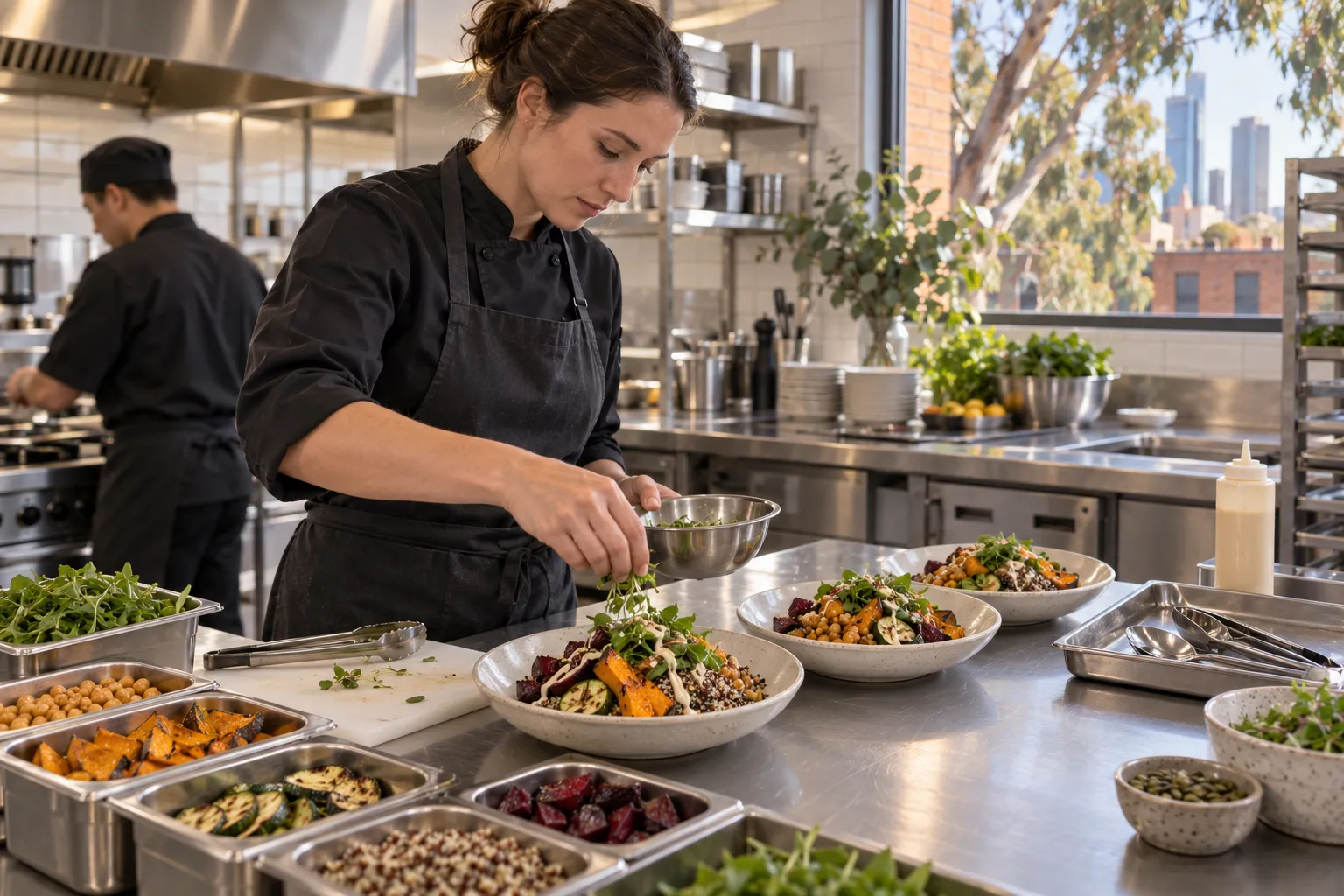
We can accommodate a range of dietary needs, including vegetarian, vegan, gluten-free, coeliac and specific allergy requirements. The earlier we receive complete information, the more effectively we can incorporate suitable dishes into the menu and service plan.
Our current menus use dietary markers to identify vegetarian, vegan, dairy-free, gluten-free and nut-free options. These indicators are useful for planning, but they do not replace a detailed conversation about serious allergies or medical requirements.
Identifying Guest Requirements Early
Ask every guest to disclose allergies and dietary requirements when they RSVP. Wherever possible, provide each person’s name, requirement and table number rather than sending only a total.
The National Allergy Council’s food allergy guidance for functions and events recommends providing allergy information in writing before the event and confirming the arrangements when the guest arrives.
This distinction matters because a preference, an intolerance, coeliac disease and a severe allergy may require different arrangements. We need to know the nature of the requirement so our team can discuss what can reasonably be provided.
For cocktail events, the dietary list helps us select enough suitable items and brief the service staff. For plated or feasting events, it allows us to organise individual meals where needed.
Menu Design for Inclusive Catering
We aim to create menus with several options that different guests can enjoy. Our finger food range includes plant-based, gluten-free and dairy-free selections, while the buffet and feasting menus offer vegan sides and main dishes.
Where appropriate, we may recommend naturally suitable dishes rather than trying to modify every item. For example, a vegan pumpkin, capsicum and zucchini tagine can sit naturally within a feasting menu, while sweet potato croquettes or Korean BBQ tofu skewers can strengthen a cocktail selection.
A separate vegan and vegetarian finger food menu is also available when plant-based catering is a significant part of your event. This gives you more choice across cold selections, hot dishes, desserts and substantial items.
Managing Allergies and Cross-Contamination
Please tell us about serious allergies during planning and provide the information in writing. Our kitchen uses gluten, dairy, nuts, shellfish, soy, eggs and other allergens. Although we take care with dietary requests, we cannot guarantee that any dish will be completely free from allergens.
The Victorian allergen management guidance provides further information about identifying allergens, understanding food business obligations and managing allergen risks.
Shared platters, buffets and grazing stations require particular consideration because guests use common serving areas and utensils. Items can be placed close to or come into contact with other ingredients during service.
Where a shared format is not appropriate for a particular guest, we can discuss whether an individually prepared and served dish is available. Our event and service teams can also be briefed on the agreed arrangements so guests know who to ask if they need assistance.
The right engagement party menu should make your guests feel welcomed while giving you the freedom to enjoy the celebration. Whether you prefer circulating canapés, a styled grazing station, a generous buffet, shared feasting or plated dining, we can help you match the food and service to your venue, guest list and plans for the day. Contact Essential Catering & Events to discuss your engagement party and request a tailored quote.