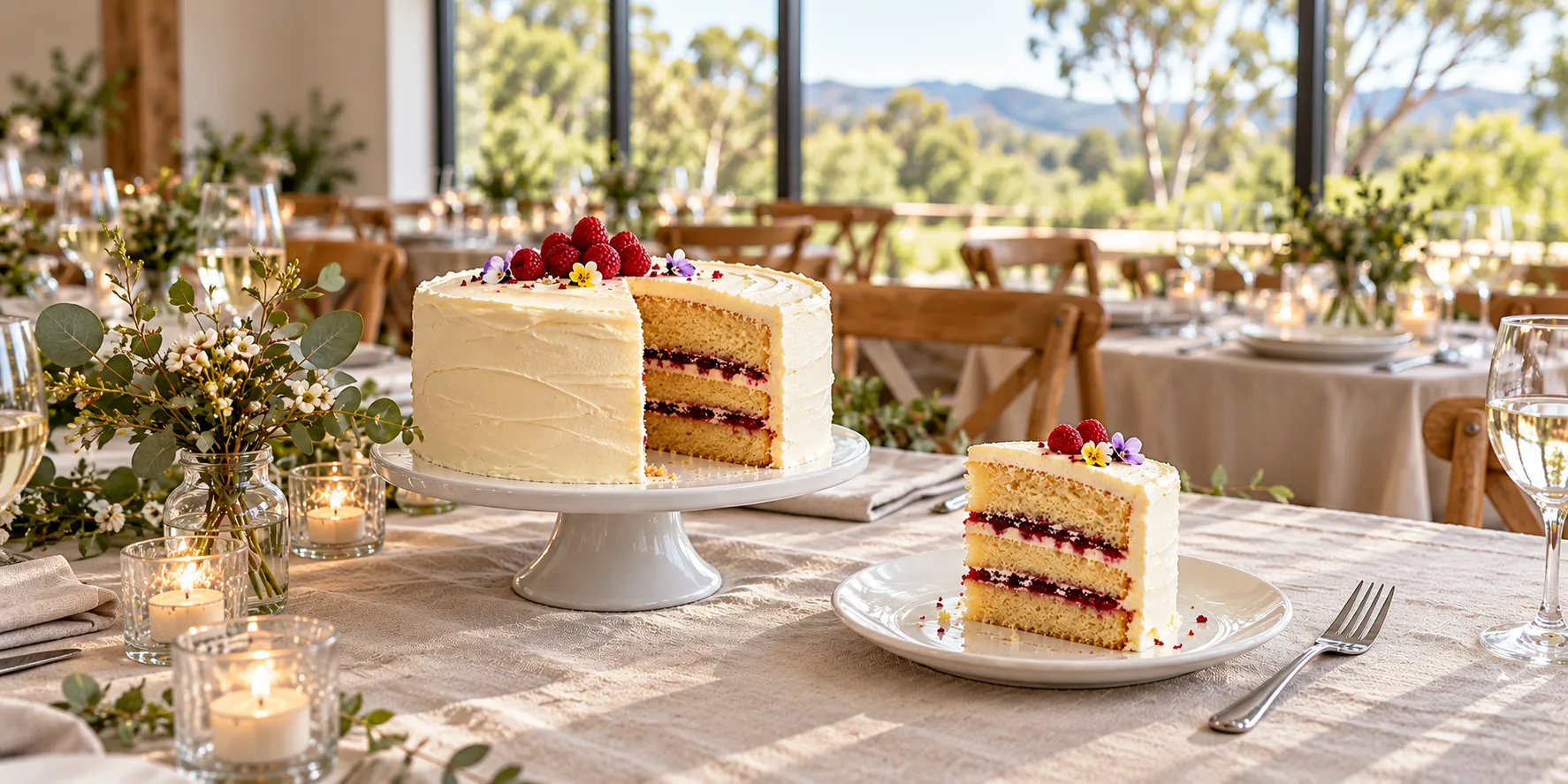
A celebration cake can do two jobs beautifully: mark the occasion and give your guests a satisfying finish to their meal. But a cake that looks spectacular in photographs is not automatically the dessert you would choose after dinner. Its icing, filling and texture matter just as much as its appearance.
At Essential Catering & Events, we help you consider the whole menu when planning your catering in Melbourne. Whether you prefer a seated meal, shared feast or finger food celebration, your cake should feel like a considered finish. If you are supplying it separately, discuss it with us before finalising your menu so we can confirm the practical arrangements.
Can I Serve My Celebration Cake as the Only Dessert?
Your cake can be the main sweet finish without another dessert alongside it. We recommend considering its flavour, portion size and presentation together, rather than deciding from its appearance alone.
Ask your cake supplier how many dessert-sized portions the design will provide. A cake intended to offer small pieces with coffee may not provide enough generous servings to replace a final course.
A Cake Chosen for Eating as Well as Appearance
Think about what your guests will actually receive: the sponge, filling and icing in a served portion. A tender crumb and balanced filling can make a slice satisfying without needing extra sauces or decoration.
If a tasting is available, try those elements together. Sponge alone will not tell you how sweet or rich the finished cake will be. Ask your supplier about its recommended serving condition, particularly if the filling or icing becomes firm when chilled.
Decorative coverings and internal supports also affect presentation. Share these details with us so we can discuss a serving approach that suits the cake’s structure.
When a Separate Dessert Adds Something Useful
An additional dessert is worthwhile when it meets a need the cake does not. You may want an alternative for guests with dietary requirements, a contrasting flavour or a smaller sweet option for an informal celebration.
Our Finger Food Menu includes lemon tart with freeze-dried berry and coconut panna cotta with chilli-roasted pineapple, alongside richer chocolate options. These give you different directions to consider if you would like something beyond cake. We can discuss selections as part of your proposed menu.
If the cake already provides the flavours and portions you want, you do not need another dessert simply to follow convention.
The Meal Before the Cake Matters
We recommend choosing your sweet finish alongside the savoury menu. Your guests experience the meal as a whole, so the richness and size of earlier courses influence how much cake they are likely to enjoy.
This applies whether you are exploring anniversary party menu ideas or planning a birthday, engagement or family celebration.
Rich Mains Followed by a Rich Cake
A substantial meal followed by dense cake and thick icing can feel generous, but it may leave guests wanting only a small portion. Adding another rich dessert can create more food without improving the experience.
Our Buffet Menu offers choices such as chargrilled beef with chimichurri, alongside sides including salad greens with balsamic vinaigrette and seasonal greens with lemon zest. When you share your cake choice with us, we can discuss how your savoury selections might provide contrast before dessert.
You do not necessarily need to change a cake that has personal significance. Adjusting portions or choosing fresher elements earlier in the meal may be enough.
Contrasting Sweetness, Texture and Temperature
An accompaniment should contribute something useful. Tart fruit may balance sweet icing, while a contrasting texture can make a soft cake more interesting. Extra cream or chocolate sauce may add little if the cake is already rich and moist.
Our Feasting Menu includes coconut and lime leaf rice pudding with mango and calamansi gel, as well as flourless chocolate cake with mulled cherries and mascarpone. These combinations illustrate how fruit, acidity and creaminess can contribute differently to a sweet finish.
For your celebration cake, any proposed accompaniment needs to suit its filling and serving condition. Discuss additions with us rather than assuming a garnish from another menu item can be transferred to your cake.
How Do I Want Guests to Eat the Cake?
A plated slice at the table serves a different purpose from a small piece enjoyed while guests mingle. Decide which experience you want before settling on portion size and presentation.
We can then discuss how that choice fits your menu, venue and agreed service arrangements.
A Plated Final Course at the Table
If cake is replacing dessert in a plated meal, each portion should be comfortable to eat with the plate and cutlery provided. Very tall layers, firm icing or soft fillings may need a different cutting approach from a simple household cake.
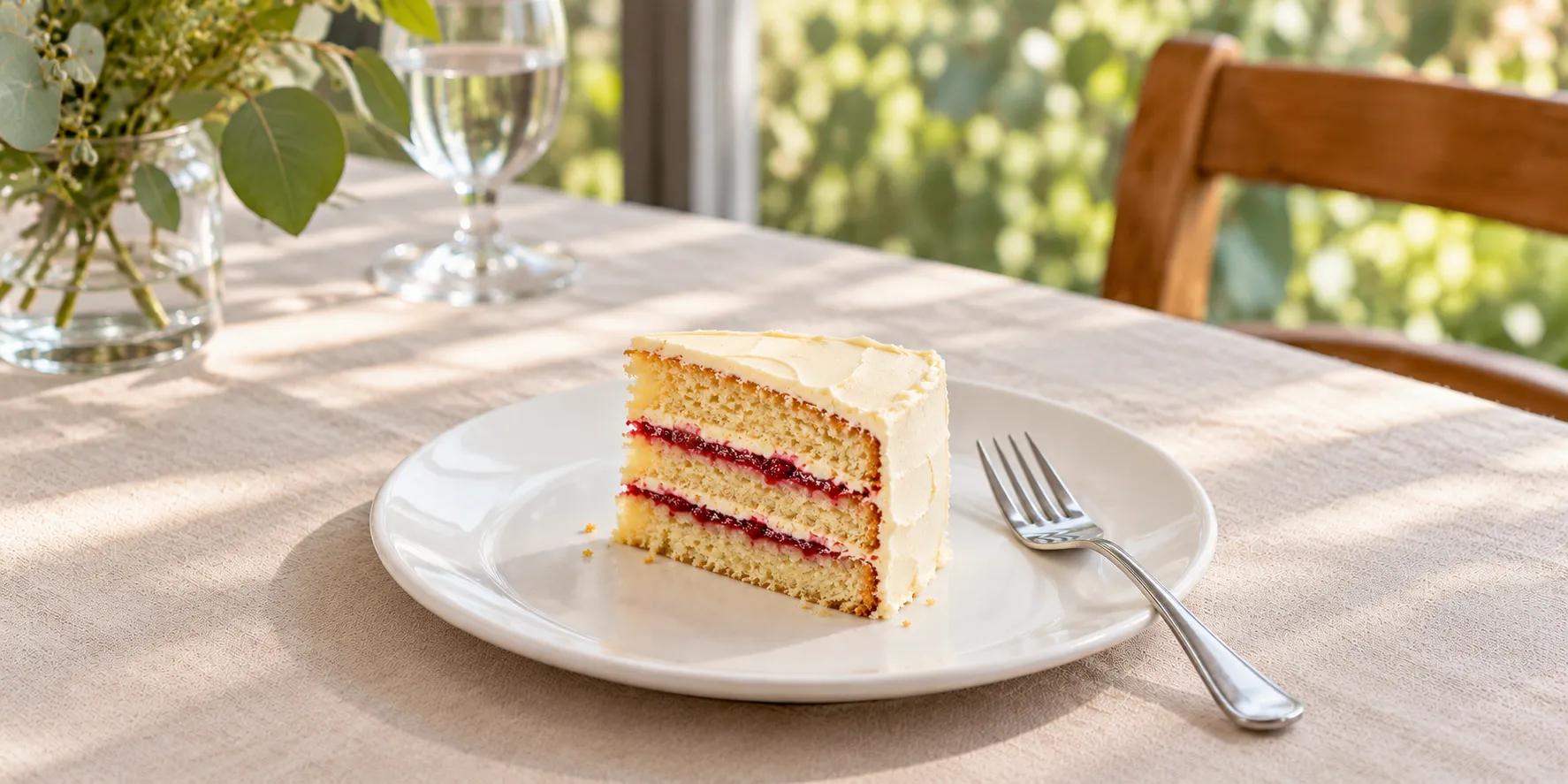
Ask your cake supplier what a practical dessert portion will look like. It should provide a sensible balance of sponge, filling and icing without relying on height for impact.
Our Plated Dining Menu includes a qualified chef, crockery, cutlery, place-setting set-up and premium disposable napkins. Waiting staff and additional equipment fees may apply depending on the event. These inclusions do not establish arrangements for a separately supplied cake, so confirm its cutting, plating and service requirements with us.
Small Slices Served With Tea and Coffee
Smaller cake portions can suit a relaxed celebration where guests prefer a few sweet bites rather than a formal final course. They should still hold together and include the flavours that make the cake enjoyable.
An informal setting does not always mean cake can be eaten by hand. Sticky icing, loose decorations and soft fillings may still require plates and forks. Guests also need somewhere convenient to place their drinks.
Let us know whether you envisage cake being offered to guests or collected from a designated area. Confirm tea and coffee arrangements separately, including equipment, staffing and timing, rather than assuming they form part of your chosen food package.
A Small Alternative Can Offer Contrast Without Another Course
One well-chosen alternative can give guests flexibility without creating another full dessert course. The aim is to offer a useful choice while keeping the cake central to your celebration.
Think about who the alternative is for and what it contributes before adding more selections.
Fruit or a Lighter Finish for Less-Sweet Preferences
If you are considering fresh fruit, choose something ripe, easy to eat and suited to the presentation. Peel, stones or excessive juice can make an otherwise simple option awkward, particularly when guests are standing.
A fruit-based dessert is not necessarily less sweet or less rich. Look at the whole dish, including syrups, pastry, cream and sauces, rather than relying on its name.
Dietary suitability is a separate consideration. Tell us about specific requirements, including food allergies, and obtain ingredient information from your cake supplier. Our kitchen handles a range of allergens, and although we take care with dietary requests, we cannot guarantee that dishes are free from allergens.
Complementing the Cake Rather Than Competing With It
If your cake is intensely chocolatey, another chocolate dessert may offer little variety. A different flavour or texture could be more useful. Equally, a cake with citrus and fruit may already provide the freshness you want.
Consider whether guests can choose the alternative independently. Fruit placed beside every slice does not offer a separate choice to someone who would prefer to skip cake altogether.
When discussing your private celebration catering, explain whether you want cake alone, cake with an accompaniment or cake alongside another dessert. That distinction helps us discuss the appropriate menu and service scope.
What Should I Discuss With My Caterer About the Cake?
Tell us about your cake before confirming your catering package. Include who is supplying it, how many guests it needs to serve and whether it will replace dessert or accompany it.
Our menus have defined service periods. For example, our Plated Dining Menu lists a 2.5-hour service period for main and dessert, and three hours for entrée, main and dessert. If you would like cake served later in the celebration, discuss that timing with us so we can confirm the staffing and service arrangements required.
The Cake’s Flavour, Filling and Serving Condition
Share the cake’s size, sponge, filling, icing and decorations, together with your supplier’s storage and serving instructions. A photograph helps explain the design, but it cannot show how easily the cake cuts or whether its filling needs particular handling.
If different tiers contain different flavours, mention this when discussing accompaniments. Something that suits one flavour may not work as well with another.
Provide delivery details and discuss the venue’s available storage and preparation space. Do not assume refrigeration will accommodate the cake’s dimensions or that a suitable cutting area will be available without checking.
Food Standards Australia New Zealand provides guidance on safe food storage, including refrigeration and following your supplier’s storage instructions.
Cutting, Plating and Any Accompanying Elements
Agree who will receive the cake, manage its storage, remove decorations and supports, cut portions and serve them. A ceremonial first cut does not establish responsibility for preparing the remaining servings.
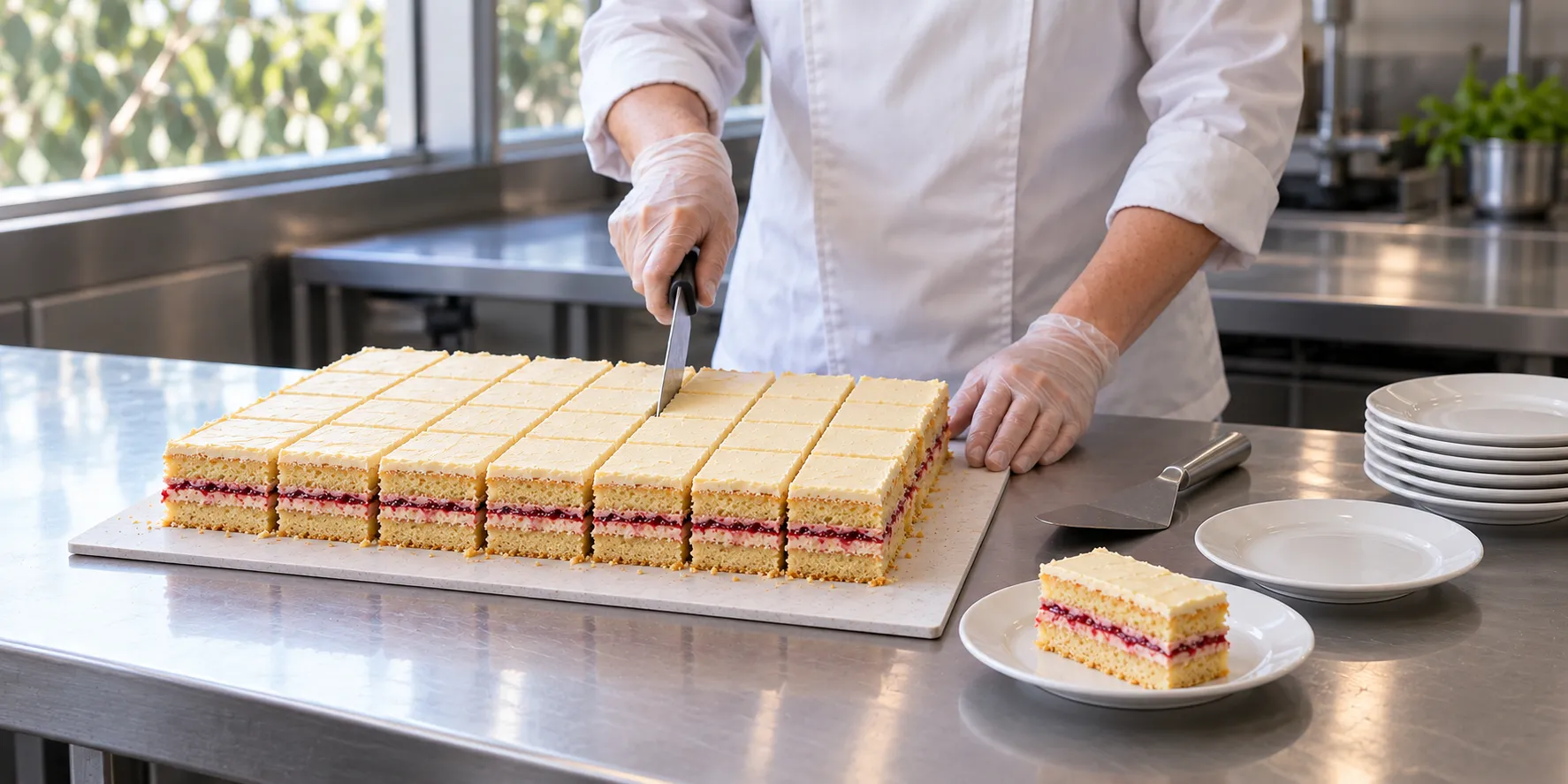
Confirm the plates, cutlery, serving equipment and any accompaniments required. Ask us to include the agreed responsibilities, staffing, timing and any applicable charges in your quote. Supplying your own cake does not automatically change a package’s inclusions or cost. Your celebration cake can be a satisfying dessert when its flavour, portions and presentation suit the occasion.