
Planning a wedding menu for a large guest list involves more than choosing your favourite dishes. As guest numbers increase, the style and timing of food service become an important part of the overall reception experience. The menu needs to feel generous and memorable while also working smoothly for the venue, timeline and number of people attending.
At Essential Catering & Events, we understand that every wedding has its own atmosphere. Some couples want a formal sit-down meal, while others prefer shared platters, flowing canapés or a more relaxed street-food experience. When planning wedding catering in Melbourne, the best approach is to choose a menu and service style that reflect the type of celebration you want to create while keeping guests comfortable and well fed throughout the event.
Which Catering Style Works Best for a Large Wedding?
The catering style shapes the flow of the reception. It affects how guests move through the venue, how the evening is timed and whether the atmosphere feels formal, relaxed or somewhere in between.
For a large wedding, it is important to think beyond the presentation of the food. The venue layout, guest numbers, kitchen access and reception timeline all influence which format will work best. Taking the time to compare the options involved in choosing the right catering style can help couples select a format that feels natural on the day rather than creating long waits, crowded serving areas or unnecessary interruptions.
Plated Dining for a More Formal Reception
Plated dining suits couples who want a traditional, seated reception with a clear structure to the evening. Essential Catering & Events offers a choice of two dishes served alternately to guests, creating variety while allowing the kitchen and wait staff to keep service moving smoothly across the room.
This format works particularly well when the reception includes formalities such as speeches, cake cutting and a first dance. Courses can be timed around these important moments so guests can enjoy their meals without feeling rushed.
For a larger reception, plated dining works best when:
- the seating plan has been finalised before the event;
- dietary requirements have been clearly recorded;
- the venue has suitable kitchen and service access; and
- the run sheet allows enough time for each course to be served and cleared.
Plated dining offers consistent presentation and a polished guest experience. It can also make portion planning more predictable when catering for a large number of people.
Buffet Catering for Variety and Generous Portions
Buffet catering is a practical choice for couples who want to offer guests a selection of dishes in a more relaxed setting. A well-planned buffet can create a sense of abundance while allowing guests to choose the foods they would most like to enjoy.
Essential Catering & Events offers buffet options with hot dishes, fresh salads, sides and desserts. This style can work well for weddings where variety is a priority, particularly when the guest list includes a broad mix of preferences.
For larger weddings, the layout needs to be planned carefully. Multiple serving points or a staggered release of tables can help prevent long queues and keep the room flowing comfortably.
Buffet catering is particularly well suited to receptions where guests are encouraged to mingle and the atmosphere is less formal. It can also provide flexibility when planning the menu around the available budget.
Feasting and Shared Platter Dining for a Communal Feel
Feasting and shared platter dining are popular options for couples who want the warmth of a seated meal without the formality of individually plated courses. Essential Catering & Events offers a Feasting Menu with generous platters brought to each table for guests to share, creating a relaxed and social dining experience.
This format works particularly well for long-table celebrations and weddings where conversation is an important part of the atmosphere. Guests can enjoy a selection of dishes and sides while remaining seated with family and friends.
Feasting and shared platter dining work best when:
- the tables have enough space for serving platters, plates and glassware;
- the menu includes a balanced selection of dishes;
- staff can replenish platters efficiently where required; and
- dietary requirements have been planned carefully in advance.
Finger food can also be served before the shared meal to keep guests comfortable while photos, drinks and early formalities take place.
Cocktail-Style Catering for a Relaxed Reception
A cocktail-style wedding can create a lively and flexible atmosphere, particularly when couples want guests to move around the venue and socialise throughout the event.
Essential Catering & Events offers a selection of cold, hot and dessert canapés that are designed to be easy to enjoy by hand. Substantial finger food options can also be added so the menu feels satisfying enough for a full reception rather than a light snack.
The key is to keep the food flowing. Guests should not need to search for something to eat or wait too long between trays. A thoughtful mix of lighter canapés and more substantial dishes can help maintain energy throughout the celebration.
Options may include dishes such as pumpkin, sage and lemon arancini, kingfish ceviche, chilli garlic prawns, sliders and other easy-to-enjoy selections. The menu should include enough variety to feel interesting without becoming overly complicated.
Grazing Stations and Street Food for a Social Atmosphere
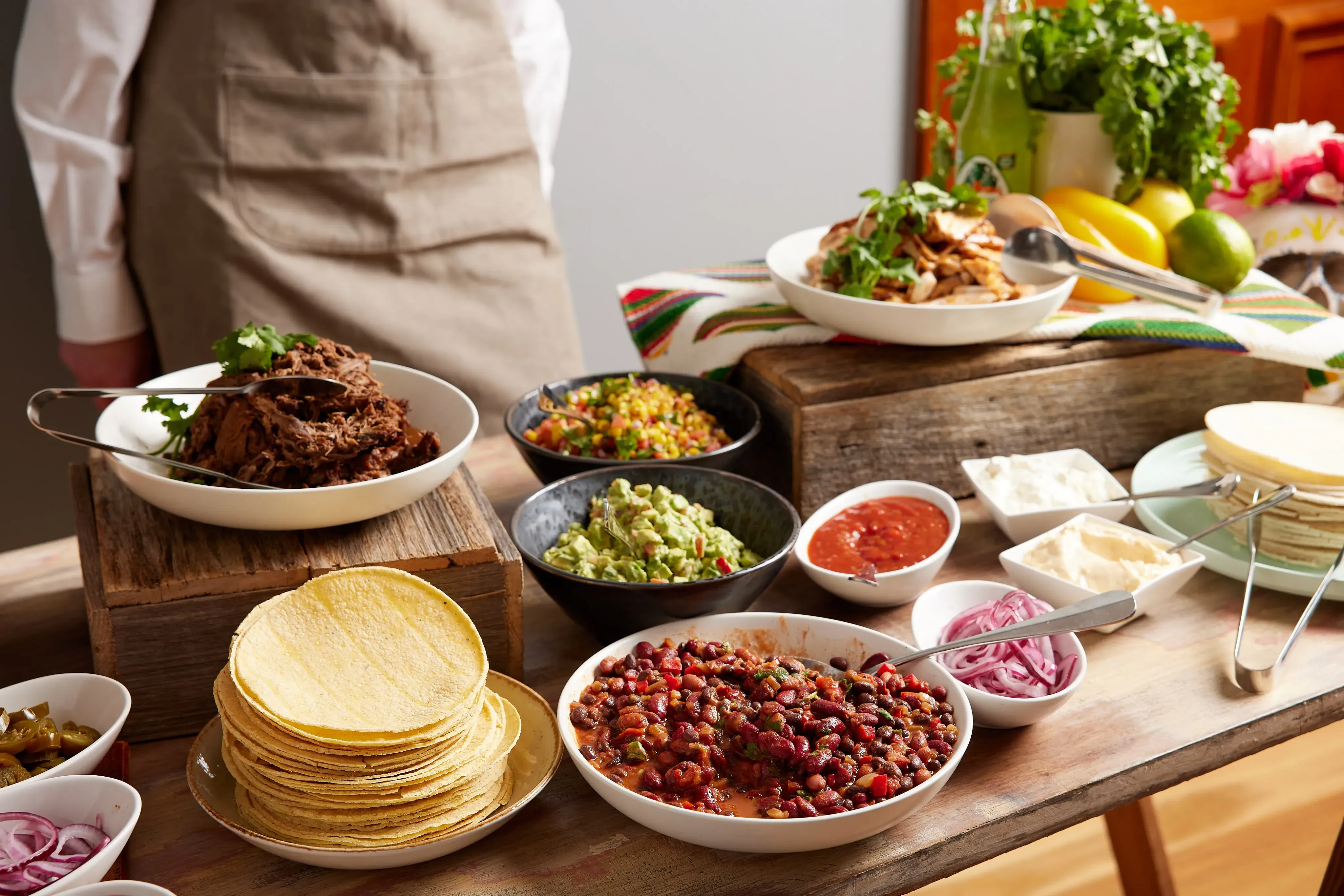
Grazing stations and street-food menus can add a relaxed, interactive element to a large wedding. These formats encourage guests to move through the venue, enjoy food at their own pace and mingle naturally throughout the reception.
A grazing station can be a welcoming addition during drinks or between formalities. Essential Catering & Events offers grazing boards arranged with a selection of meats, cheeses, fruit, vegetables, dips and accompaniments. Vegan and gluten-free-friendly options can also be considered when planning the menu.
Street-food stations are another option for couples who want something informal and memorable. They can work particularly well for a larger guest list because food can be served in an easy-to-enjoy format while guests continue socialising.
The best choice depends on the venue layout and the pace of the event. Stations should be positioned carefully so guests can access the food without creating congestion around the bar, dance floor or main walkways.
How Can You Offer Variety Without Overcomplicating the Menu?
A large guest list usually includes a wide mix of preferences and dietary requirements. The aim is to offer enough variety for guests to feel considered without creating a menu that is difficult to prepare and serve consistently.
More dishes do not automatically create a better dining experience. A focused menu often feels more generous because each dish has been chosen carefully and the catering team can deliver it well.
Start With the Right Menu Structure
Begin by deciding how you want guests to experience the food. A formal seated wedding may include an entrée, main course and dessert. A cocktail reception may feature a steady flow of canapés with several substantial items. A shared dining menu might combine finger food at the beginning of the reception with platters served to the tables later in the evening.
Each menu item should have a clear purpose. Consider including a balance of:
- lighter and more substantial dishes;
- familiar flavours and a few more distinctive options;
- meat, seafood and plant-based selections;
- fresh and richer elements; and
- suitable choices for common dietary requirements.
A carefully edited menu can still feel generous. It simply avoids unnecessary repetition and keeps the kitchen focused on delivering each dish consistently.
Use Different Formats to Create Interest
Variety can come from the way food is served as well as the number of dishes offered.
For example, a wedding may begin with roaming canapés while guests enjoy drinks, followed by shared platters at the tables and a grazing or dessert station later in the evening. Another reception may use a cocktail-style menu throughout the event, with more substantial items introduced as the night progresses.
This creates a natural sense of progression without requiring an excessive number of different dishes. It also gives guests something new to enjoy at different stages of the celebration.
Consider the Season and Venue
Seasonal planning can help the menu feel more appropriate for the wedding date and setting. Fresh, lighter dishes may suit a warm-weather garden wedding, while heartier options can be a better fit for a winter celebration.
The venue also matters. An outdoor wedding, inner-city space or country property may each have different requirements for food preparation, transport and service. Kitchen access, power availability, weather conditions and the distance between preparation and serving areas can all influence which menu options will perform best.
Choosing food that suits the season and venue helps maintain quality across the entire guest list.
How Should Dietary Requirements Be Managed for a Large Wedding?
Dietary requirements are much easier to manage when they are discussed early. A clear guest list gives the catering team time to plan suitable menu options, coordinate service and make sure each guest feels considered on the day.
Most weddings now include a combination of vegetarian, vegan, gluten-free, dairy-free and allergy-related requests. Understanding how to approach catering for guests with dietary requirements can help couples provide clear information and avoid trying to add separate meals at the last minute.
Collect Dietary Information With the RSVPs
Ask guests to provide their dietary requirements when they RSVP. It is better to collect this information in one place rather than relying on separate messages and conversations.
The final list should include each guest’s name, table number and specific requirement. It is also important to distinguish between preferences, intolerances and serious allergies, as the level of planning required can be very different.
Ask your catering team when final guest numbers and dietary requirements need to be confirmed, then set the RSVP deadline early enough to allow time for any follow-up questions.
Closer to the wedding, the final guest count, dietary list, menu selections, service style and run sheet should be confirmed with the catering team. Venue access and setup instructions should also be checked so the team can plan the service properly.
Build Inclusive Options Into the Menu
Where possible, choose dishes that naturally suit more than one dietary need. A well-considered plant-based option can be enjoyable for a wide range of guests rather than feeling like an afterthought.
The aim is not to create a separate menu for every guest. It is to build enough flexibility into the overall selection so dietary requirements can be accommodated without complicating service unnecessarily.
Essential Catering & Events can consider dietary requests when planning the menu. However, the kitchen handles a variety of ingredients, including gluten, dairy, nuts, shellfish, soy and eggs. While care is taken with dietary requests, dishes cannot be guaranteed to be completely free from allergens.
Guests with severe allergies should discuss their requirements clearly and directly with the catering team before the event so the available options and any limitations can be understood.
Coordinate Service Carefully on the Day
Once dietary requirements have been confirmed, the final seating plan and service notes should clearly identify the relevant guests.
For a plated meal, this helps wait staff deliver the correct dish to the right person without creating unnecessary interruptions. For buffet catering, grazing stations or shared platters, clear labelling can help guests understand which options may be suitable for them.
Communication between the couple, venue and catering team is important. Everyone should be working from the same final guest list so dietary needs are not overlooked during service.
How Can You Plan a Generous Menu Around Your Budget?
A large guest list can have a significant impact on the catering budget. Even small changes to the menu or service format become more noticeable when they are multiplied across many guests.
The best approach is to discuss the guest count, preferred atmosphere and available budget early. This makes it easier to choose a format that feels generous and enjoyable without adding unnecessary complexity.
The venue and service requirements should also be discussed early, as waiting staff, equipment and any applicable surcharges can vary depending on the location and circumstances.
Choose a Service Style That Matches Your Priorities
Different catering formats suit different budgets and styles of celebration.
A plated meal may be the right choice when a formal dining experience is a priority. Buffet catering can provide a broad range of dishes in a relaxed setting. Feasting and shared platter dining can feel abundant and social, while cocktail-style menus can keep guests mingling throughout the event.
A grazing station or street-food option can also add interest without requiring every part of the reception to follow the same format.
The right choice is not simply the least expensive option. It is the format that gives guests the experience you want while making good use of the catering budget.
Focus the Menu on the Moments Guests Will Remember
A thoughtfully edited menu often has more impact than an overly long one. Choose where you want the food to make the strongest impression and allocate the budget accordingly.
For example, you may prefer to begin with a smaller selection of canapés and focus on generous shared platters. Alternatively, a cocktail wedding may place more emphasis on flowing finger food and a few substantial dishes later in the evening.
Late-night food can also be considered for a longer reception, particularly when guests will be dancing and socialising well after the main meal has finished.
Use Seasonal Ingredients Where Possible
Seasonal produce can help a menu feel fresher and more appropriate for the time of year. It can also provide better value when ingredients are readily available and suitable for serving across a large number of guests.
Rather than adding premium ingredients to every dish, choose a few highlights and support them with well-planned sides, salads and accompaniments. This can create a menu that feels balanced and generous without becoming unnecessarily expensive.
Plan a Menu That Feels Right for Your Wedding
A successful wedding menu for a large guest list should feel effortless for guests, even though careful planning is happening behind the scenes.
The best menus balance variety with simplicity. They provide enough food to keep guests comfortable, suit the venue and season, accommodate dietary requirements where possible and match the atmosphere the couple wants to create.
At Essential Catering & Events, we work with couples to plan wedding catering in Melbourne that feels personal, generous and enjoyable from the first canapé to the final bite. With the right menu and a well-structured service plan, a large wedding can still feel relaxed, thoughtful and memorable for every guest.