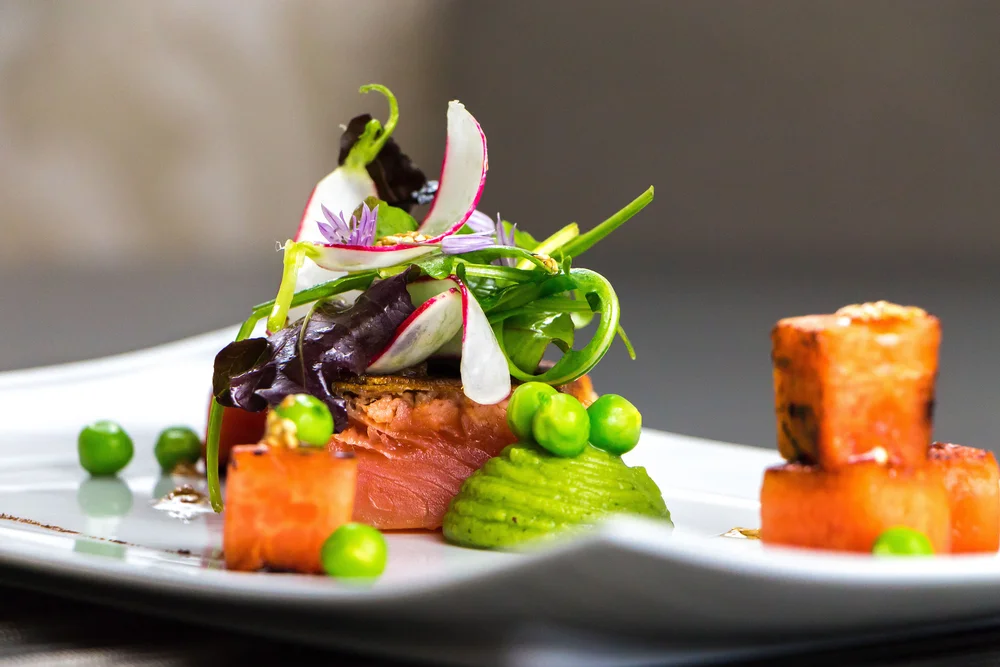
Planning food quantities for wedding catering in Melbourne can feel overwhelming because there are so many details to consider and so many moving parts behind the scenes. Couples want to give their guests a memorable experience, and they often worry about running short or creating waste. From appetisers to desserts, every part of the menu needs careful balance to keep everything flowing smoothly. Our team at Essential Catering & Events makes sure that couples feel confident that the food will match the style or vibe and vision of their big day.
When we help couples with food planning, we look at how the menu fits with the mood of the celebration and how guests are likely to eat throughout the event. Some weddings flow with light grazing, while others feel more settled with structured seated courses. The right amount depends on timing or dietary needs and how guests move through each moment of the celebration. With clear planning and an understanding of food portions, it becomes easier to make choices that feel natural and stress-free.
Understanding How Wedding Food Quantities Are Measured
A good starting point for any couple is learning how food portions are measured for different parts of a wedding menu. This is important because each catering style uses its own way of calculating how much is needed for a comfortable and enjoyable experience. These measurements help set expectations and make it easier to plan around the flow of the day. Once these details are clear, couples feel more prepared to decide what works best for their celebration.
Serving Sizes Based on Menu Structure
Understanding serving sizes helps couples picture how food will be presented and enjoyed throughout the event. Different menu structures shift how guests experience each course, which affects how much everyone will eat. By knowing the expected quantity for each service style, planning becomes more accurate and stress-free.
- Serving sizes for structured menus are based on consistent weights and portions, which helps make sure every guest receives the same generous amount of food even when there are variations in appetite.
- Entrée portions are lighter, with chefs preparing smaller plates that set the tone for the rest of the meal to help balance hunger levels for the later parts of the celebration.
- Main servings follow recommended hospitality standards that match both protein and sides to create a filling and satisfying dining experience for all guests.
Calculating Food Quantities for Different Times of Day
Time of day changes how much guests expect to eat since hunger levels shift between earlier and later celebrations. Couples often choose menus that complement the natural rhythm of the day, which helps keep guests happy and energised. Planning around these timing patterns builds a smoother experience.
- Midday celebrations often have lighter meal expectations, reducing portion sizes while still keeping guests satisfied with a balanced menu that suits a more relaxed daytime pace.
- Evening weddings usually call for heartier servings since guests arrive hungrier and expect a more substantial meal after a full day of activity.
- Late-night service options like snacks or grazing boards offer extra comfort food that keeps energy high during the final hours of the celebration.
Understanding the Role of Menu Variety
Menu variety changes how much food guests consume since more choices naturally encourage people to try extra dishes. Balancing variety with portion control helps avoid waste while still giving guests an exciting dining experience. It also helps couples tailor the menu to match the style of their celebration.
- Offering several entrée options means guests may take smaller portions of each, requiring chefs to prepare a broader range of dishes without increasing total food quantities too much.
- A wide mix of sides encourages guests to fill their plates with different textures and flavours, balancing the overall food experience without significantly raising the volume of ingredients needed.
- Dessert variety has a big influence on quantity since guests often sample more than one sweet option, which means smaller serving sizes can help avoid waste while still feeling generous.
Portion Guides for Different Catering Styles
Couples usually choose a catering style based on the mood of their celebration, which naturally shapes how much food is required. Each style creates a different flow from mingling events to formal seated dining, so portions need to match how guests move around and interact. Once couples understand these differences, choosing the right amount of food becomes easier and more predictable. With the right planning, each catering style can feel smooth and well balanced.
Cocktail and Canapé Service
Cocktail-style weddings focus on movement and a steady flow of bite-sized dishes. Quantity planning here is all about timing and variety to keep guests comfortably fed without interrupting the celebratory atmosphere. Smaller bites add up over time, so accurate estimation is key.
- Cocktail service works best when at least ten to twelve pieces per guest are served across the event, keeping everyone satisfied without creating heavy or overwhelming portions.
- Including a mix of substantial items helps set a nice rhythm for guests and keeps them engaged with fresh options throughout the celebration.
- Larger bites like mini bowls or sliders help bridge gaps between lighter canapés, supporting guests who prefer more filling options while still fitting the relaxed style.
Buffets and Shared Feasts
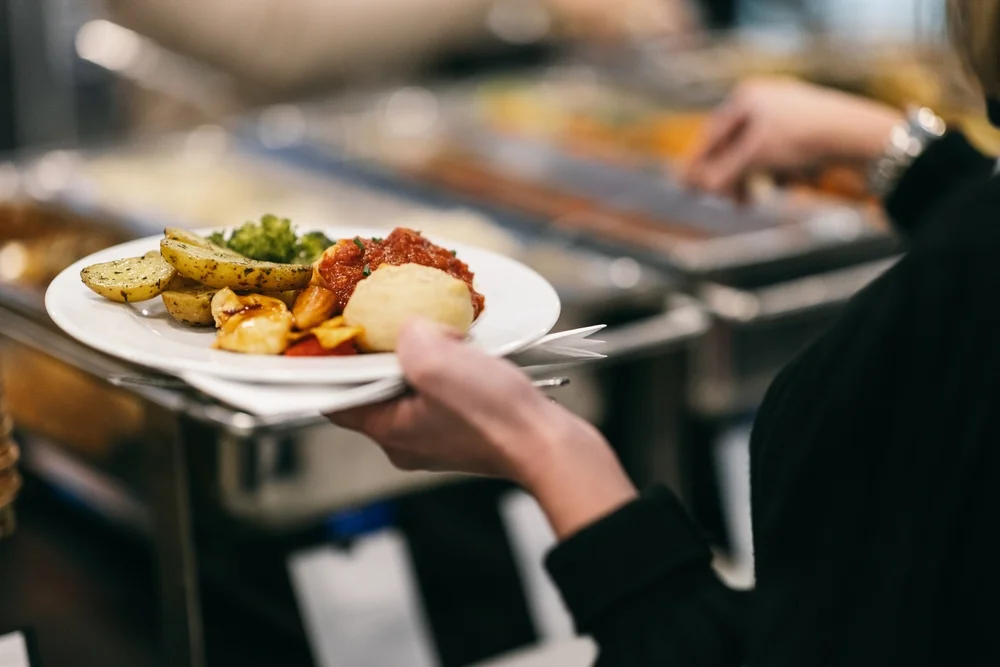
Buffets and shared tables create a warm communal feel where guests can choose their own portions, which means planning must account for varied appetites. Since guests serve themselves, quantities must be generous enough to feel abundant without encouraging excessive waste. The focus is on balance with variety and flow.
- Buffets work well with around one and a half servings of each item per guest, which ensures no one misses out even when some guests return for seconds.
- Shared feasts benefit from a thoughtful mix of proteins or vegetables and starches, helping guests create well-rounded plates without overwhelming the table with too many options.
- Larger groups often require extra batches of popular dishes since guests tend to gravitate towards standout favourites which can be planned in advance to avoid shortages.
Sit-Down Plated Meals
Plated meals follow a structured format which makes portion planning more predictable since every guest receives the same dish at the same time. This style suits couples who want a polished dining experience with consistent serving sizes. Balanced entrée or main and dessert portions help create a smooth flow.
- Entrée plates are kept intentionally light to allow guests to enjoy the full sequence of courses without feeling too full early in the meal.
- Main courses follow hospitality standards for protein size and sides, ensuring a satisfying plate that suits a wide range of appetites.
- Dessert portions strike a balance between sweetness and comfort, encouraging guests to enjoy a final treat without creating unnecessary leftovers.
How Guest Count Influences Food Planning
Guest numbers play a major role in shaping how food quantities are calculated since changes in group size affect both cost and logistics. Larger groups often eat slightly differently from smaller gatherings, which means portion planning must adapt accordingly. Understanding these patterns helps couples make confident decisions and avoids last-minute stress. With accurate guest numbers, planning becomes far more reliable.
Adjusting Portions for Large Weddings
Large weddings create a natural variation in appetite as guests move through the event at different paces. With more people the spread of eating habits widens, which means portion planning needs extra buffer. Careful adjustments help make sure the menu still feels abundant.
- Bigger groups require slightly higher quantities for shared dishes since there is always a portion of guests who take larger servings, which makes extra batches a sensible choice.
- Cocktail menus for large groups should include more substantial bites which help maintain steady hunger levels across guests who arrive and dine at different times.
- Plated meals for large celebrations often need extra desserts or bread since these are quick to consume and help guests stay satisfied while courses are served.
Planning for Small and Intimate Gatherings
Smaller celebrations shift the dining experience since guests tend to savour each dish more slowly, which means portions can be slightly more refined. This atmosphere allows for more personalised food planning that focuses on quality and variety. It also reduces the need for excess quantities.
- Smaller groups allow chefs to portion more precisely, avoiding waste while giving every guest a full and generous experience.
- Intimate meals work well with more tailored entrée and dessert servings since guests enjoy a relaxed pace and often appreciate presentation details.
- Shared feasts for small groups can be scaled to include fewer dishes with higher-quality ingredients, which keeps the table feeling abundant without overwhelming guests.
Accounting for Guest Demographics
Different age groups and lifestyles affect how much guests are likely to eat, which means demographics play a big role in portion planning. Understanding these patterns makes it easier to predict how the menu will be enjoyed. Thoughtful planning ensures every guest feels well looked after.
- Younger guests often eat more than older guests, which means menus can include extra hearty choices to keep everyone satisfied throughout the celebration.
- Groups with many children may require lighter dishes based on familiar flavours, reducing waste and keeps younger guests happy.
- Health-conscious guests may prefer lighter meals, so including a balanced mix of fresh and substantial dishes helps meet a wide range of tastes.
Avoiding Under-Catering and Over-Catering
One of the biggest concerns couples have is serving too little or too much food, which can change the overall feel of the celebration. Under catering leaves guests hungry, while over catering increases costs and waste. Finding the right middle ground is all about planning and accurate estimation. With the right balance, the menu feels natural and comfortable.
Common Causes of Under-Catering
Under catering usually happens when appetite is underestimated or when menu timing is tighter than expected. Knowing these common triggers makes it easier to avoid them. Careful planning ensures no one feels hungry.
- Not adding substantial items to cocktail menus can leave guests wanting more, especially during long events where snacks alone may not be enough.
- Serving meals too late in the schedule often increases hunger levels, which means portions that were originally sufficient suddenly become too light.
- Forgetting to include late-night food options can leave energetic guests hungry during the final hours of the celebration.
Reasons Over-Catering Happens
Over catering is more common than people think because couples often worry about running short, which leads to unnecessary extras. Understanding why this happens helps keep the budget under control. It also reduces food waste.
- Ordering too many dishes for buffets creates extra leftovers since guests usually choose favourites instead of sampling everything equally.
- Offering large dessert selections can inflate serving quantities because guests are inclined to take multiple items even when they are already full.
- Adding extra courses without adjusting portion sizes results in oversized meals that guests cannot finish, increasing waste.
Balancing Portions for Mixed Menus
Many weddings blend serving styles, which can make portion planning more complex and layered. When mixing formats, accuracy becomes even more important. With the right structure, portions feel natural and well balanced.
- Combining canapés before a seated meal works best when portion sizes are reduced slightly so guests still have an appetite for the main courses.
- When adding grazing tables to a plated menu, it helps to plan these as light supplements rather than full servings to keep the balance just right.
- Dessert buffets paired with plated mains benefit from smaller dessert servings so guests can enjoy variety without creating too much waste.

Tips for Getting the Amount Just Right
Once couples understand the main factors that shape food quantities, it becomes easier to create a menu that feels natural and enjoyable. Getting the balance right means considering timing and appetite with service style and the flow of the celebration. With careful planning, portions feel generous without becoming excessive. These final tips help keep everything smooth from start to finish.
Communicating Clearly with Your Caterer
Open communication ensures that the menu aligns with expectations and reduces the risk of portion mistakes. The more detail shared, the more accurately food can be planned. Clear guidance helps everything flow smoothly.
- Sharing the full schedule helps caterers plan food timings, which affects how hungry guests will be at different moments of the celebration.
- Discussing guest habits gives caterers insight into appetite levels, which supports more accurate food measurements and menu choices.
- Updating changes early, such as added guests or timing shifts, helps keep quantities aligned and avoids last-minute adjustments.
Planning Around the Flow of the Event
The event schedule affects how and when guests eat, which means timing must work hand in hand with menu planning. Creating a natural flow helps keep guests comfortable from start to finish. Good timing supports ideal portion sizes.
- Longer gaps between ceremony and reception often require more canapés, which helps bridge the hunger gap and keeps guests energised.
- Fast-paced schedules benefit from structured meals since these help maintain order and ensure everyone receives the same portion.
- Late-night finishes usually call for extra snacks, which keep guests feeling satisfied throughout the dancing and celebration.
Allowing a Sensible Buffer
A small buffer helps avoid stress while still keeping budgets under control. Wedding groups always have slight appetite variations, which makes a buffer a practical safety net. It also supports smoother service.
- Adding an extra five to ten per cent to food quantities helps cover guests with larger appetites without significantly raising total costs.
- Buffets and feast-style meals benefit from a little extra protein since these dishes are the first to run low, which gives reassurance to couples.
- Cocktail menus benefit from a few added substantial bites which offer comfort to guests who arrive hungry or skip earlier meals.
Finding the right amount of food for a wedding is all about balance and understanding how guests move through the celebration. With thoughtful planning, portions can feel generous without being overwhelming, which creates a comfortable and enjoyable experience for everyone involved. When couples consider timing with appetite and service style, the menu naturally fits the mood of the day.
Working closely with Essential Catering & Events makes everything easier, and we love helping couples create a menu that feels true to their celebration. Good communication combined with accurate planning and clear expectations lead to the right amount of food every time. We are always ready to support couples as they bring their wedding vision to life.