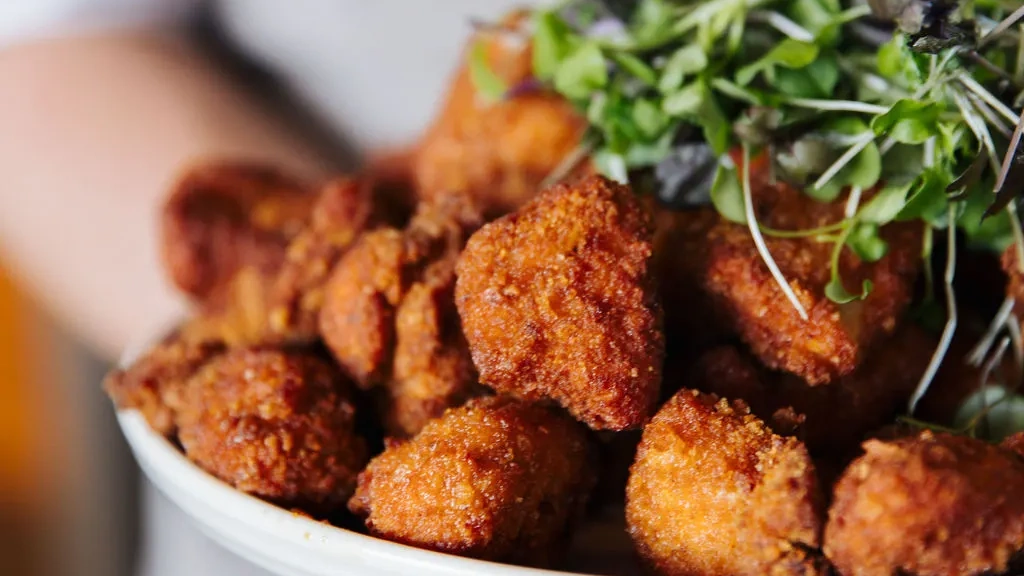
The way food is served can shape the entire flow of an event. A seated plated dinner creates structure and formality, while roaming canapés, shared platters, buffets and food stations encourage movement, conversation and a more relaxed atmosphere. For events requiring catering in Melbourne, where venues, guest numbers and event formats can vary widely, choosing the right service style helps support the timing, comfort and overall mood of the occasion.
Essential Catering & Events explains how catering style influences guest movement, speeches, staffing and atmosphere, helping hosts choose a service format that suits the event, the venue and the people attending.
Why Catering Style Shapes the Flow of an Event
Catering style is not only about how food is served. It quietly controls how guests move through the venue, how long they stay seated, when they mingle and how easily they transition between key moments. The right format supports the schedule and mood of the event, while the wrong choice can create bottlenecks, awkward pauses or a room that loses energy at the wrong time.
A plated dinner, buffet, cocktail service and shared-style meal each create a different rhythm. Plated service keeps guests seated and focused, which suits formal events with speeches or presentations. Buffets and food stations encourage movement, which works well for relaxed or social occasions but requires enough room for guests to queue and circulate comfortably. Roaming canapés keep the atmosphere lively, but guests still need places to rest drinks, plates and bags.
Thinking about catering as part of the floor plan and run sheet, rather than as a separate food decision, helps the event feel more natural. When service style, venue layout and event timing work together, guests are less likely to feel rushed, crowded or unsure about what to do next.
How Seated Catering Creates Structure and Formality
Seated catering immediately signals a more formal, organised event. Guests are assigned places, courses are timed and service follows a clear sequence. This structure shapes how people move through the space, when they interact and how long each part of the programme runs.
For hosts who want a defined schedule, controlled pacing and a sense of occasion, seated catering provides a strong framework. From speeches to entertainment, the meal service becomes the spine of the event, giving the run sheet natural pauses and clear transitions.
Assigned Seating Controls Movement and Interaction
With seated catering, guests are directed to specific tables and often specific seats. This removes uncertainty around where to sit and helps prevent crowding around popular areas such as bars, entry points or informal seating zones.
A considered seating plan can place key guests, family members or stakeholders in suitable positions, encourage conversation between selected groups and reduce the risk of awkward table dynamics. Once guests are seated, movement naturally slows, which benefits events that require focus, such as weddings, awards nights, conferences and formal dinners.
A floor plan designed around table service also helps the room function smoothly. Sufficient space between tables, clear aisles for waitstaff and good sightlines to the stage or focal point all reduce disruption during service.
Course Timing Shapes the Event Programme
Seated catering divides the event into clear segments, such as entrée, main course, dessert and coffee. Each course creates a natural window for formalities, which makes it easier to coordinate speeches, presentations, entertainment or acknowledgements.
Speeches often work well after the entrée, when guests are settled but still alert, or between the main course and dessert, when attention can return to the stage. Because courses are served and cleared in sequence, the catering team can adjust timing where needed, such as holding dessert until speeches finish or clearing quickly to allow more time for dancing.
This structure is especially useful when hot food, formal announcements and entertainment all need to work around each other. It reduces the risk of meals going cold, guests being distracted or the event falling behind schedule.
Formal Service Elevates Ambience and Guest Expectations
The style of service in seated catering reinforces a more polished atmosphere. Plated dishes arrive at the table, glassware is topped up, plates are cleared with minimal interruption and staff presence is visible but controlled.
This creates a different mood from a more casual or self-service format. Guests tend to remain at their tables for longer, conversation is more contained and the meal becomes a central part of the event experience. For weddings, gala dinners, corporate awards and milestone celebrations, this can help create the sense of occasion many hosts are looking for.
How Moving and Shared Catering Creates a More Social Atmosphere
Moving and shared catering styles naturally encourage guests to mingle rather than stay anchored to one seat. When food comes to people or is served in a way that must be shared, it becomes an easy conversation starter and helps soften the formality of the event.
These formats are often effective for events where networking, team building or social connection is a priority. Instead of guests focusing only on their own plate, they interact around the food, change position in the room and meet more people in a relaxed way.
Roaming Canapés and Food Stations Encourage Circulation
Roaming canapés, tray service and food stations all change the way guests use a space. Rather than sitting in one place for the full event, guests are encouraged to move, explore and interact.
Roaming canapés can help break up clusters of people. As staff circulate with small bites, guests may shift position, join a new group or use the arrival of food as a natural opening for conversation. This creates steady movement without the need for a formal queue.
Food stations can also work well when placed thoughtfully. Positioning stations in different areas of the room helps spread guests out and prevents one section from becoming overcrowded. Separating drinks from food can also encourage movement, but the layout must still feel easy to navigate.
Shared Platters Create Natural Icebreakers
Shared catering at the table changes the social dynamic compared with individually plated meals. When guests pass platters, offer dishes or ask someone to hand over a salad, they engage in small but useful interactions that help conversation start naturally.
Large shared dishes such as slow-roasted meats, whole fish, salads, antipasti boards or dessert platters can make the table feel more communal. Guests tend to speak to more than just the person next to them because serving and passing food naturally involves the wider table.
Shared formats can also slow the pace of the meal in a positive way. Rather than everyone receiving an individual plate at the same time and eating quietly, the table collaborates in choosing portions and sharing dishes. This can create a warmer, more relaxed atmosphere while still keeping guests seated for key parts of the event.
Matching Social Service Styles to the Event
Moving and shared catering works best when it suits the event purpose and guest mix. For networking events or corporate gatherings, roaming food and food stations can keep energy high and make introductions easier. For seated events where guests may not know each other well, shared platters can help create conversation without removing structure completely.
More formal occasions can still include social catering elements. For example, mains may be plated while sides or desserts are shared, or a seated dinner may be followed by roving late-night snacks once dancing begins. This allows the event to feel structured when needed and relaxed when the mood shifts.
How Catering Style Affects Timing, Speeches and Formalities
Catering style shapes the rhythm of the event. It dictates when guests sit or stand, how long service takes and where speeches or formalities fit without interruption. Planning the run sheet around the service style helps prevent long pauses, cold food and guests talking over key moments.
A plated dinner, buffet or cocktail-style event each creates different natural pauses and attention points. Understanding those patterns makes it easier to place speeches, presentations, cake cutting, first dances or awards at the right time.
Plated Service and Structured Formalities
Plated dining offers the most control over timing. Guests are seated at the same time, dishes are served in coordinated waves and there are clear breaks between courses. This makes it suitable for events with multiple speeches, presentations or formal segments.
Speeches usually work best when guests are seated and not actively eating a hot meal. Common timing points include after entrée, between main course and dessert, or after dessert for final acknowledgements. Formalities that involve movement, such as awards or stage presentations, should be separated from periods when hot dishes are being served so food quality and guest attention are not compromised.
Plated service does require tighter scheduling. Late arrivals, extended photography or speeches that run overtime can push out service times, so coordination between the caterer, venue and event organiser is important.
Buffets and Food Stations with Flexible Timing
Buffets and food stations create a more relaxed flow but offer less control over attention. Guests move in their own time, which can create noise, lines and uneven table activity. If speeches are planned, they usually work best before the buffet opens or after most guests have finished eating.
Once guests are invited to a buffet, attention scatters quickly. Some people are queuing, some are eating and others may still be choosing food. Calling everyone back for a long speech block can be difficult, especially in a larger room. Short announcements or toasts may still work well, particularly later in the event when dessert, coffee or late-night food is available.
Multiple buffet lines, mirrored stations or staged table releases can help keep timing under control. These details matter because a buffet that takes too long can delay dancing, entertainment or other planned moments.

Cocktail Events Need Clear Anchor Moments
Cocktail-style catering creates a more fluid timeline because there is no defined sit-down meal. This can make the event feel lively and relaxed, but it also means formalities need to be planned carefully.
Without clear anchor moments, speeches, cake cutting or announcements can drift. Guests may be spread across the venue, holding drinks or engaged in conversation when attention is needed. Setting clear times for formalities and briefly adjusting food or drink service around those moments can help bring the room together.
For example, staff may pause roaming service during speeches or direct guests towards a central area before a key announcement. This keeps the event feeling relaxed without losing structure.
Matching Food Service to the Venue and Guest List
The best catering style is not chosen in isolation. It needs to suit the physical space and the people using it. The same menu and service approach that feels effortless in a ballroom may feel cramped in a small gallery, outdoor garden or heritage venue with limited access.
Every catering decision should be tested against two practical questions: can the venue support how guests will move and be served, and will the guest list comfortably enjoy that experience? Aligning service style with the room and audience helps prevent congested bar lines, overcrowded buffets and underused dining areas.
Reading the Room
Room capacity and layout set firm boundaries for what will work. A narrow or awkwardly shaped room may struggle with a large central buffet, while a spacious ballroom may comfortably support multiple food stations or a plated dinner with full table service.
Ceiling height, acoustics and access points also matter. In venues with low ceilings or hard surfaces, long queues can increase noise and discomfort. Seated plated service can help control movement and sound levels. Where there are multiple kitchen or service access points, food stations or roaming service may be easier to manage.
Outdoor venues introduce further practical considerations. Uneven ground, lawn areas and weather exposure can make it harder for guests to carry full plates from a buffet. Roaming canapés, high tables and smaller food stations near stable surfaces can reduce spills and make the experience more comfortable. A wet-weather plan is also essential for any format that relies on guests moving around the space.
Matching Service Style to Guest Demographics
The guest list should strongly influence the service style. Events with older guests, children or attendees with mobility considerations often benefit from seated plated service or assisted buffets where staff help serve food and reduce time spent standing in line.
For a younger or highly social crowd, cocktail receptions with tray-passed canapés and interactive stations can encourage mingling. Networking events and product launches often prioritise movement over formal seating, so food should be easy to eat while standing and should not require too much cutlery or balancing.
Cultural expectations can also shape what feels appropriate. Some events call for a formal sit-down meal, while others are better suited to generous buffets or shared platters. Aligning service style with what guests recognise as good hospitality helps the event feel considered and welcoming.
Balancing Guest Numbers and Service Capacity
Headcount must be matched to the chosen service format and staffing level. A large guest list with a short meal window is rarely suited to a single buffet line in a tight room. Two-sided buffets, multiple stations or table-by-table release can help reduce waiting and avoid congestion.
Very large events may benefit from a combination of formats, such as pre-set entrées, shared sides or plated mains. Smaller events allow more flexibility, including chef-attended stations, shared feasting menus or more detailed plated service.
The key is to consider how quickly guests can be served in the chosen format. If the service style cannot keep up with the schedule, the event may feel slow, crowded or disorganised, even if the food itself is well received.
Choosing the Right Catering Style for Your Event
Choosing the right catering style is less about following trends and more about matching service format to guest count, venue layout, schedule and event purpose. The strongest events treat catering as part of the overall planning, not just a menu selection.
A seated alternate-drop or plated dinner suits formal events where attention needs to focus on speeches, presentations or key moments. A cocktail-style menu with canapés and substantial bites works well for networking events, product launches and modern receptions where movement and conversation are central. Buffets and food stations suit relaxed, generous events but need enough room and staffing to prevent queues. Shared platters create warmth and conversation while still giving the event some structure.
Budget, service level and dietary requirements also influence the final decision. Plated service usually requires more staff but allows stronger portion control and easier tracking of dietary meals. Buffets may require fewer floor staff but often need more food volume and clear signage. Food stations can create a memorable experience but may require extra equipment, space and staffing.
The right catering style supports the event objective, respects the physical space and creates a consistent guest experience from arrival to final farewell. When service style, timing, staffing and venue layout are carefully aligned, catering becomes part of the event design rather than a separate detail.
The way guests are served ultimately defines how an event unfolds from beginning to end. Each catering style shapes movement, timing and atmosphere in a different way. With thoughtful planning and the right support, food service can help the entire event feel seamless, intentional and well-paced.